
How Tree Trimming Improves Safety and Property Value
how professional tree trimming improves safety, prevents damage, and increases property value for homes and businesses across NJ and NY
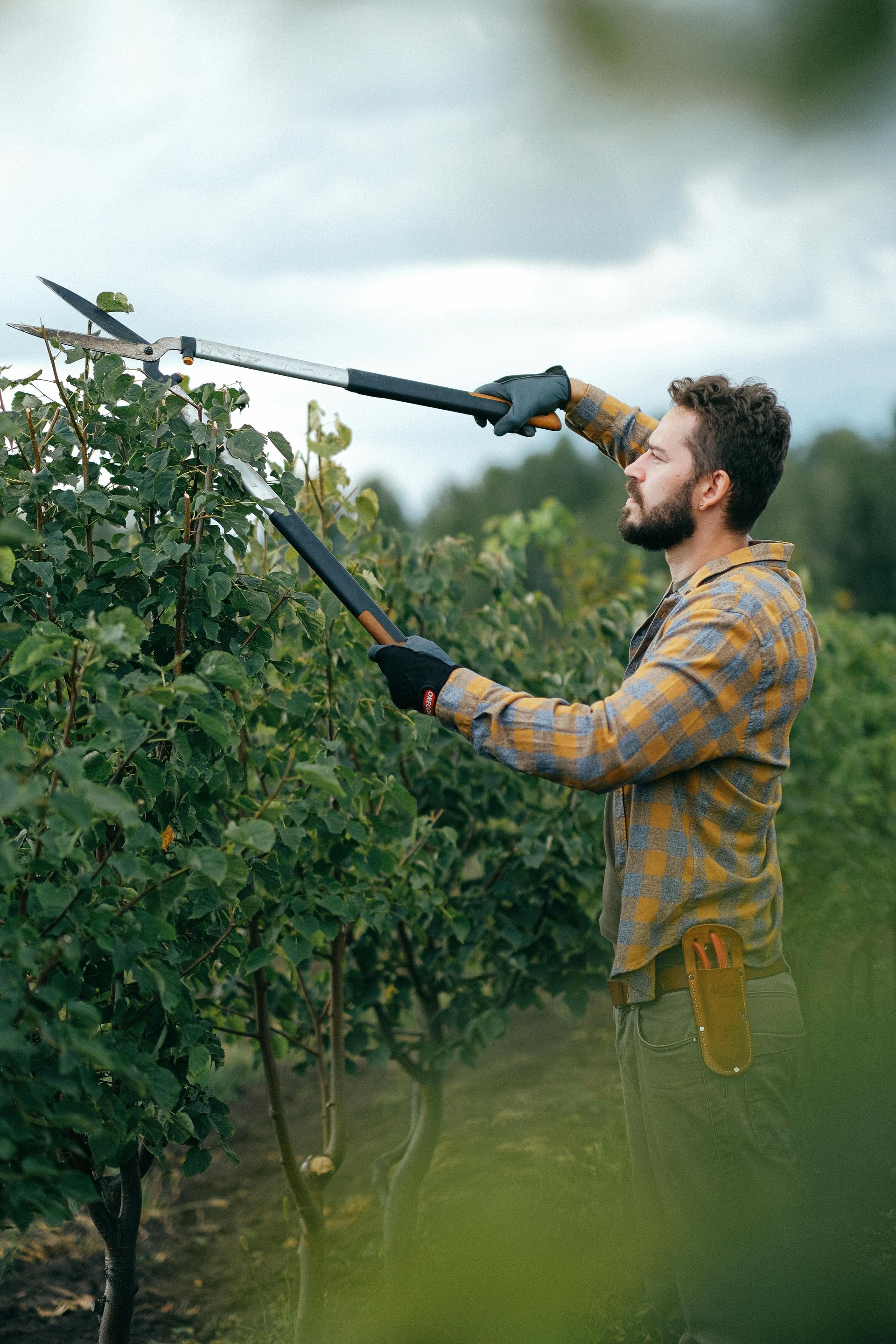
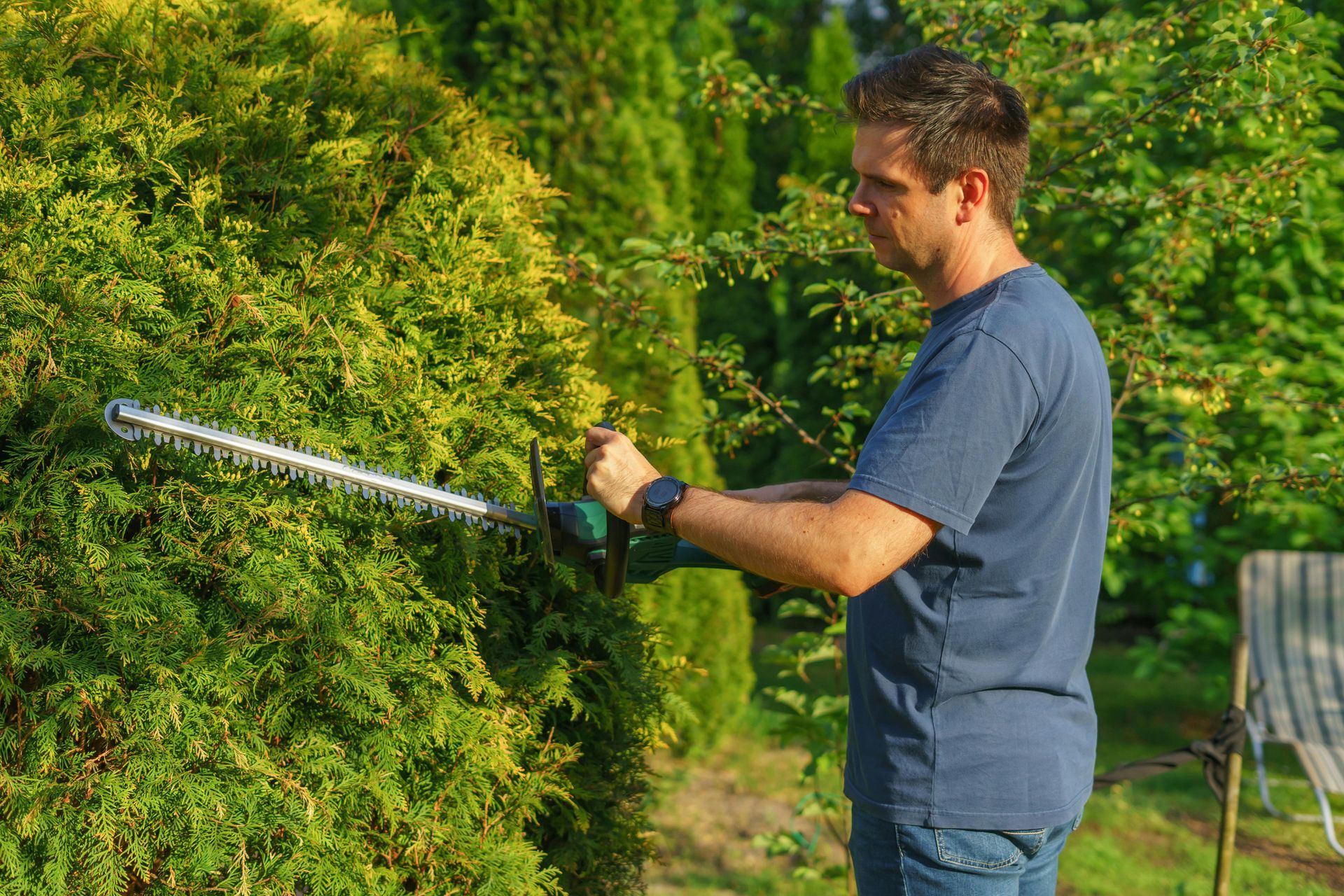
Tree trimming is often viewed as a cosmetic service, but its benefits go far beyond appearance. Proper trimming plays a critical role in protecting people, property, and long-term investment value. In New Jersey and New York—where storms, dense development, and mature trees are common—regular tree trimming is one of the most effective ways to reduce risk while enhancing curb appeal.
Whether you own a home in Bergen County, manage a property in Jersey City, or operate a business in Manhattan or Brooklyn, understanding how tree trimming improves safety and property value can help you make smarter maintenance decisions.
This guide explains why professional tree trimming is essential, how it reduces hazards, and why well-maintained trees are a major asset to any property.
Why Tree Trimming Is a Safety Measure First
Trees grow continuously, and without regular maintenance, that growth can create dangerous conditions. Overextended limbs, dead branches, and unbalanced canopies place stress on the tree and increase the likelihood of failure.
Tree trimming improves safety by:
- Removing dead or weakened branches before they fall
- Reducing weight and wind resistance in the canopy
- Preventing limbs from contacting structures or power lines
- Improving structural balance and stability
Many tree-related accidents occur not because a tree falls entirely, but because a large limb breaks unexpectedly. Regular trimming significantly reduces this risk.
Preventing Storm Damage Through Trimming
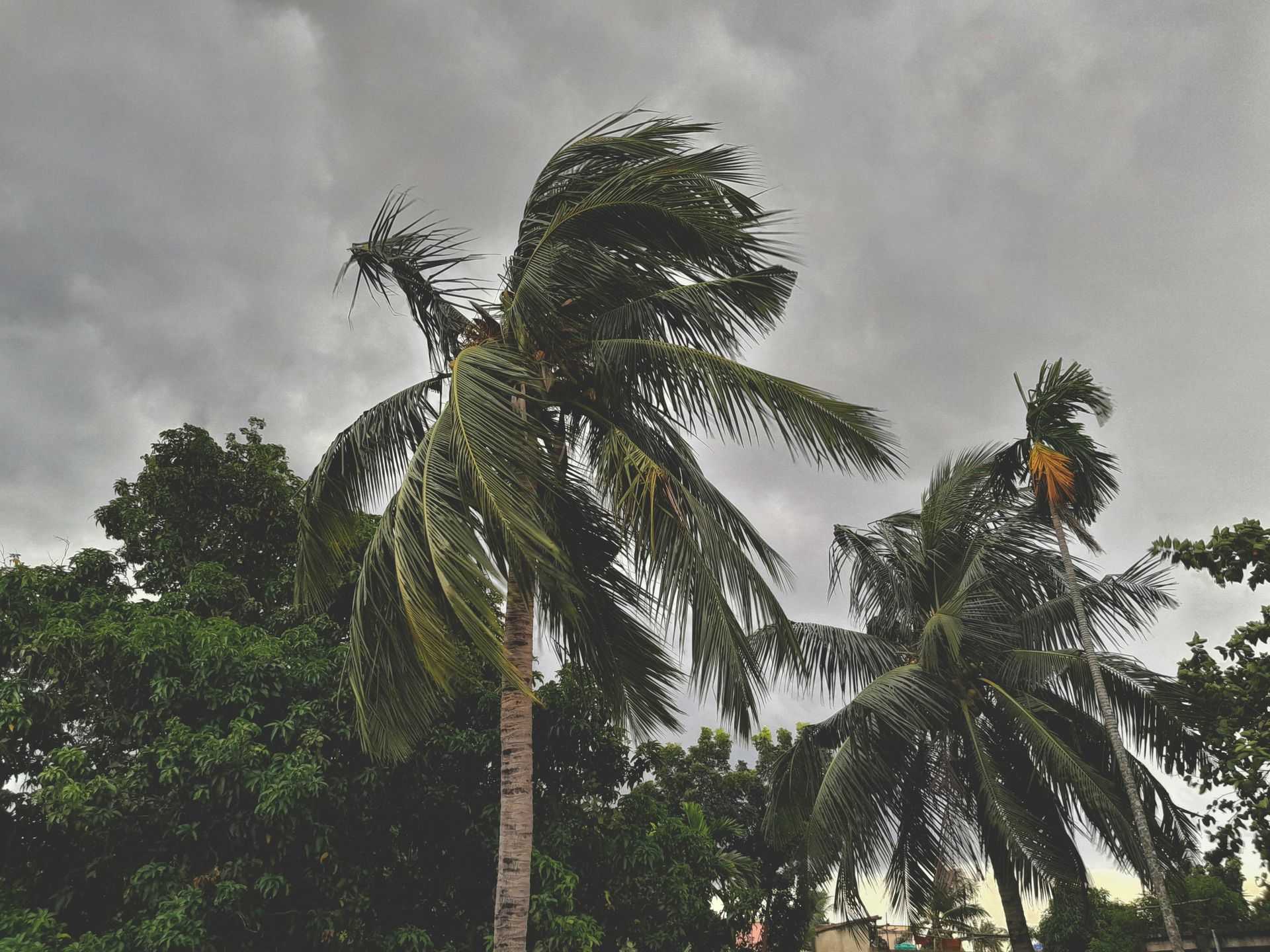
Storms are a major cause of tree-related damage in NJ and NY. High winds, heavy rain, snow, and ice place enormous pressure on tree limbs and trunks.
Trees that are properly trimmed:
- Allow wind to pass through the canopy
- Are less likely to snap or uproot
- Suffer less structural damage during storms
Removing excess growth and weak branches before storm season reduces emergency situations and costly repairs.
Reducing Risk Near Homes and Structures
Trees growing too close to buildings create ongoing hazards. Branches that overhang roofs, gutters, or windows can cause damage even in mild weather.
Tree trimming helps:
- Protect roofs from falling limbs
- Prevent gutter blockages
- Reduce moisture buildup near siding
- Improve clearance around chimneys and vents
In urban areas with limited space, trimming is essential for maintaining safe distances between trees and structures.
Improving Safety Around Walkways and Driveways
Low-hanging branches can obstruct sidewalks, driveways, and entryways. These obstructions create safety risks for pedestrians, visitors, and delivery vehicles.
Professional trimming:
- Improves visibility
- Prevents head injuries
- Keeps access points clear
- Reduces liability exposure
For commercial properties, maintaining clear access is especially important for customer safety and compliance.
Protecting Power Lines and Utilities
One of the most critical safety benefits of tree trimming is reducing interference with power lines. Branches that grow into utility lines can cause outages, fires, or electrocution hazards.
Regular trimming:
- Prevents branches from contacting lines
- Reduces emergency utility calls
- Minimizes power disruptions
Tree work near utilities should always be handled by trained professionals with proper coordination.
Tree Trimming and Property Value
Beyond safety, tree trimming has a direct impact on property value. Well-maintained trees enhance the overall appearance and marketability of a property.
Trimmed trees:
- Create a clean, cared-for appearance
- Improve natural light and visibility
- Highlight architectural features
- Increase perceived property value
Buyers often associate neat landscaping with good overall maintenance, making trimming a worthwhile investment.
Curb Appeal and First Impressions
First impressions matter. Overgrown or neglected trees can make a property look unkempt, even if the home itself is well maintained.
Professional trimming:
- Restores symmetry and shape
- Removes cluttered or tangled growth
- Frames entryways and walkways
- Enhances seasonal appearance
For homeowners preparing to sell, trimming is one of the fastest ways to boost curb appeal without major renovations.
Healthier Trees Last Longer
Tree trimming is not just about removal—it supports long-term tree health. Removing dead, diseased, or crossing branches helps the tree allocate resources more efficiently.
Benefits to tree health include:
- Reduced disease spread
- Improved airflow and sunlight
- Stronger branch development
- Reduced pest infestation
Healthy trees are more resilient, reducing the likelihood of future removals.
Preventing Costly Emergency Situations
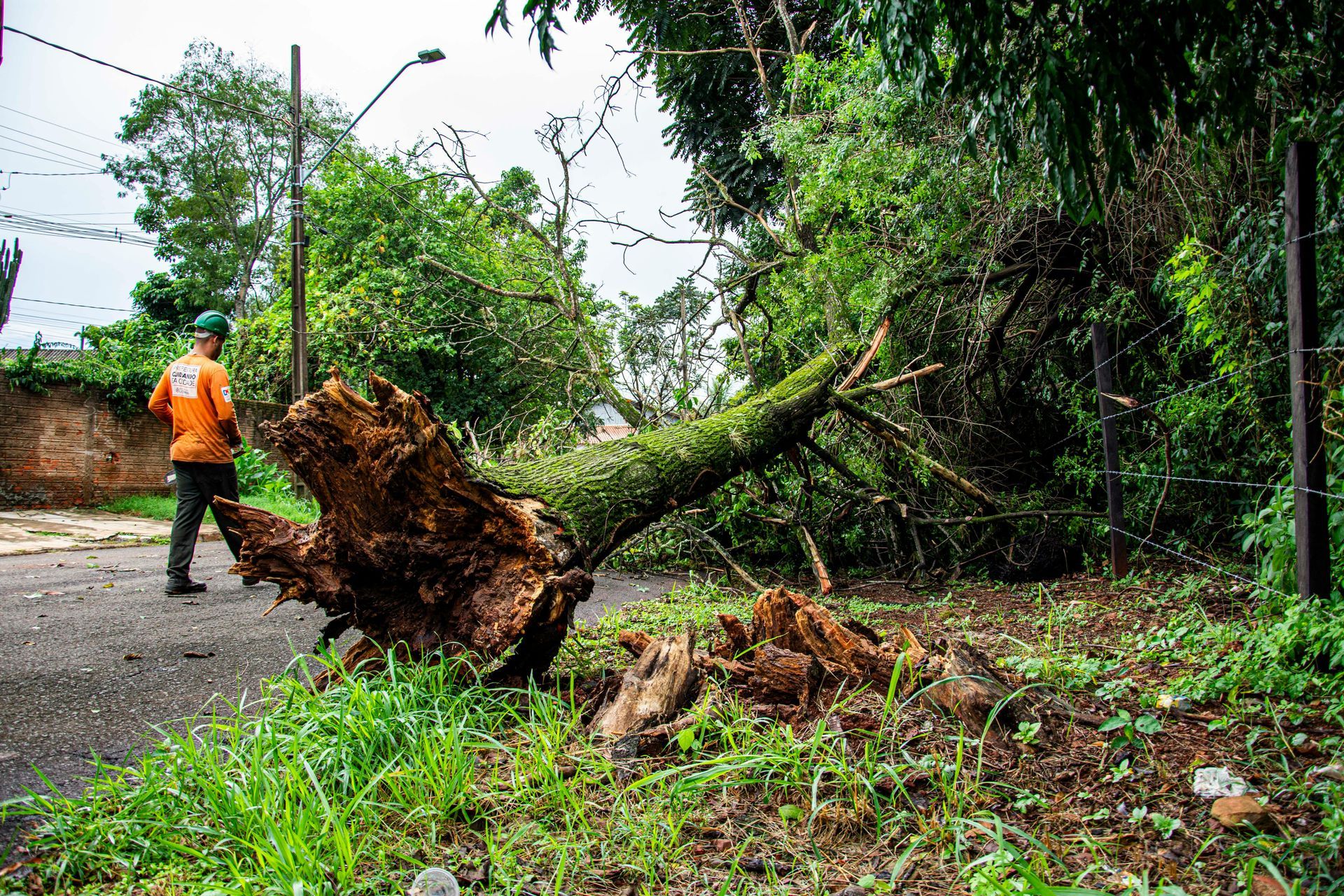
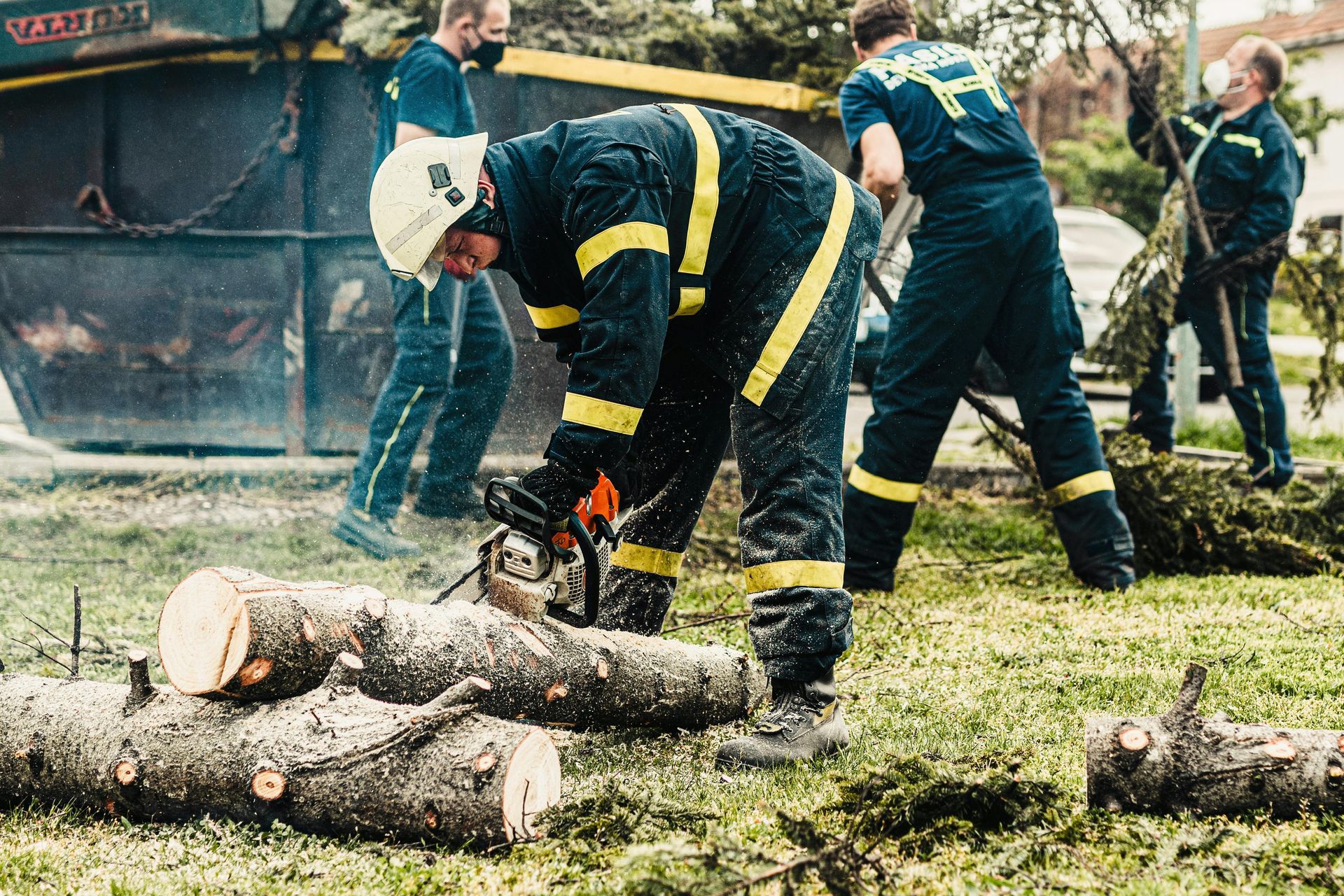
Many emergency tree removals could have been prevented with routine trimming. Overgrown trees are more likely to fail during storms or under heavy snow.
Routine trimming:
- Identifies problems early
- Reduces emergency service costs
- Prevents sudden property damage
- Protects against insurance disputes
Preventive care is almost always less expensive than emergency response.
Insurance and Liability Considerations
Property owners have a responsibility to maintain safe conditions. If a poorly maintained tree causes damage or injury, liability may fall on the owner.
Insurance providers often consider whether:
- Trees were visibly neglected
- Preventive maintenance was performed
- Known hazards were ignored
Documented trimming services demonstrate responsible property care and may help support insurance claims.
How Often Should Trees Be Trimmed?
Trimming frequency depends on tree type, age, and location.
General guidelines include:
- Young trees: every 2 to 3 years
- Mature trees: every 3 to 5 years
- Fast-growing species: more frequent maintenance
- Trees near structures or utilities: regular monitoring
A professional arborist can recommend a schedule tailored to your property.
Why Professional Tree Trimming Matters
Improper trimming can weaken trees and increase risk. Practices such as topping or excessive cutting damage structure and invite decay.
Professional tree services:
- Follow industry pruning standards
- Use proper cutting techniques
- Understand seasonal timing
- Protect surrounding property
This expertise ensures trimming improves safety and value rather than causing harm.
Tree Trimming for Residential and Commercial Properties
Tree trimming benefits both residential and commercial properties. Businesses benefit from improved safety, visibility, and customer experience, while homeowners enjoy peace of mind and enhanced property aesthetics.
Regular trimming demonstrates proactive property management.
Tree Trimming Services Across NJ and NY
Creative Tree Service provides professional tree trimming throughout New Jersey and New York, including Hudson County, Bergen County, Passaic County, Manhattan, Staten Island, and Brooklyn.
Our team evaluates tree health, safety risks, and property layout to deliver trimming solutions that protect people and property while enhancing appearance.
To schedule trimming or request an assessment, call
(201) 208-5811 or visit:
https://www.creativetreeservicenj.com/contact