What Happens If You Don’t Remove a Dead Tree?
Dangers of Dead Trees – Why Dead Tree Removal Should Not Wait

Dead trees are more than just an eyesore. While they may appear harmless at first, a dead tree on your property can quickly become one of the most dangerous liabilities a homeowner or property manager can face. Unlike healthy trees, dead trees no longer have the structural strength or root stability needed to withstand wind, rain, snow, or even their own weight.
Across New Jersey and New York, dead trees are a leading cause of property damage, emergency service calls, and injury claims—especially after storms. Understanding the dangers of dead trees and why removal should not be delayed can help protect your home, your finances, and everyone who enters your property.
This guide explains what happens when dead trees are left standing, how risks increase over time, and when professional removal becomes necessary.
Why Dead Trees Are Structurally Unstable
A living tree is supported by healthy roots, flexible fibers, and internal moisture that allows it to bend without breaking. Once a tree dies, those systems begin to fail.
Dead trees experience:
- Internal rot that weakens the trunk
- Dry, brittle wood that snaps easily
- Decaying roots that lose grip in the soil
- Increased susceptibility to wind and vibration
Even without visible damage, a dead tree can collapse suddenly, often without warning.
Increased Risk of Falling Limbs
One of the earliest dangers of a dead tree is falling branches. As wood dries out, limbs lose flexibility and can break off under minimal pressure.
Falling limbs can:
- Damage roofs, gutters, and siding
- Strike vehicles parked below
- Injure people or pets
- Block driveways, sidewalks, or entrances
Because dead limbs do not bend under stress, they tend to break cleanly and fall straight down, increasing impact force.
Entire Tree Failure Is Common
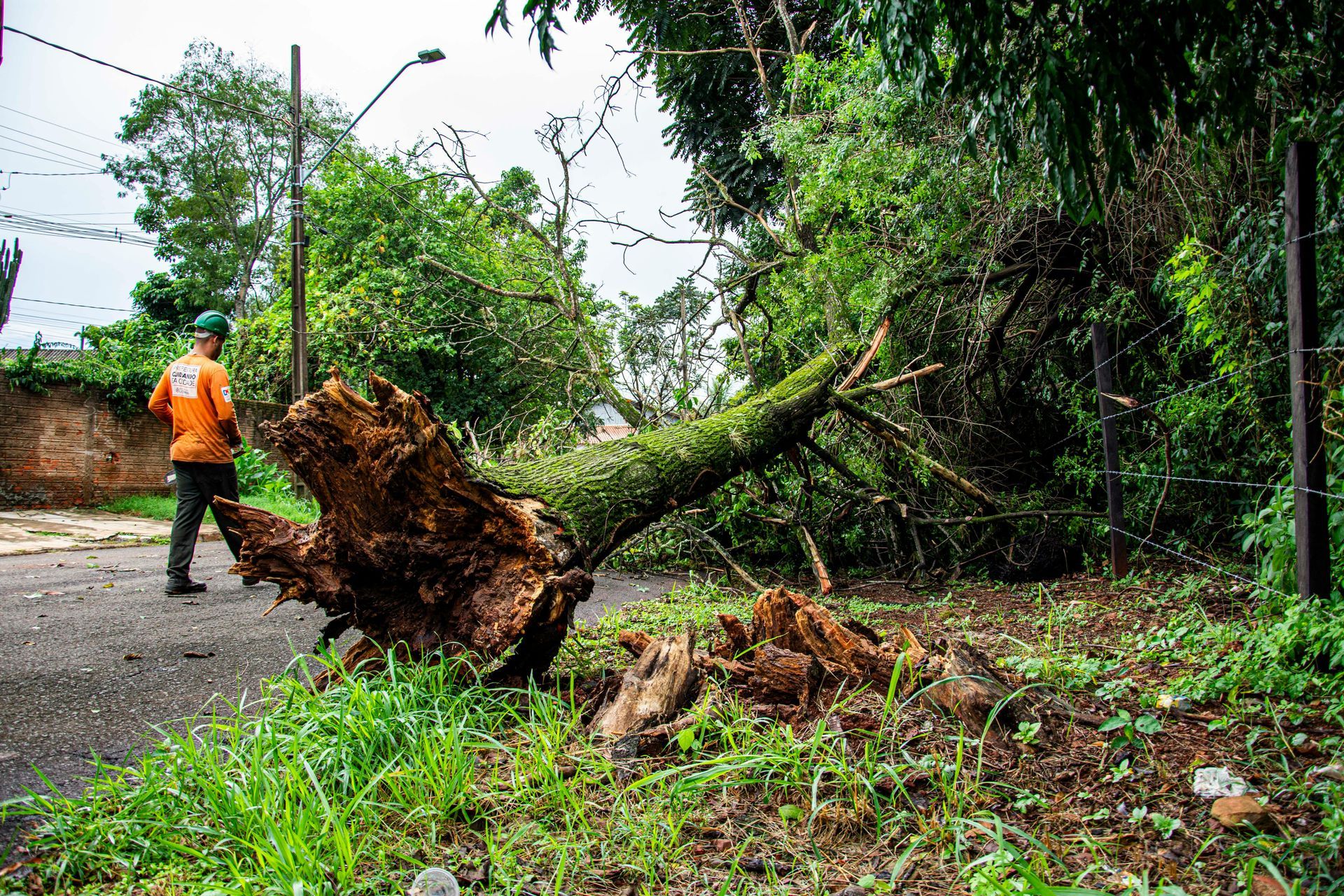
While falling limbs are dangerous, complete tree failure is far more serious. Dead trees are especially prone to uprooting or snapping at the trunk during storms.
Common causes of total failure include:
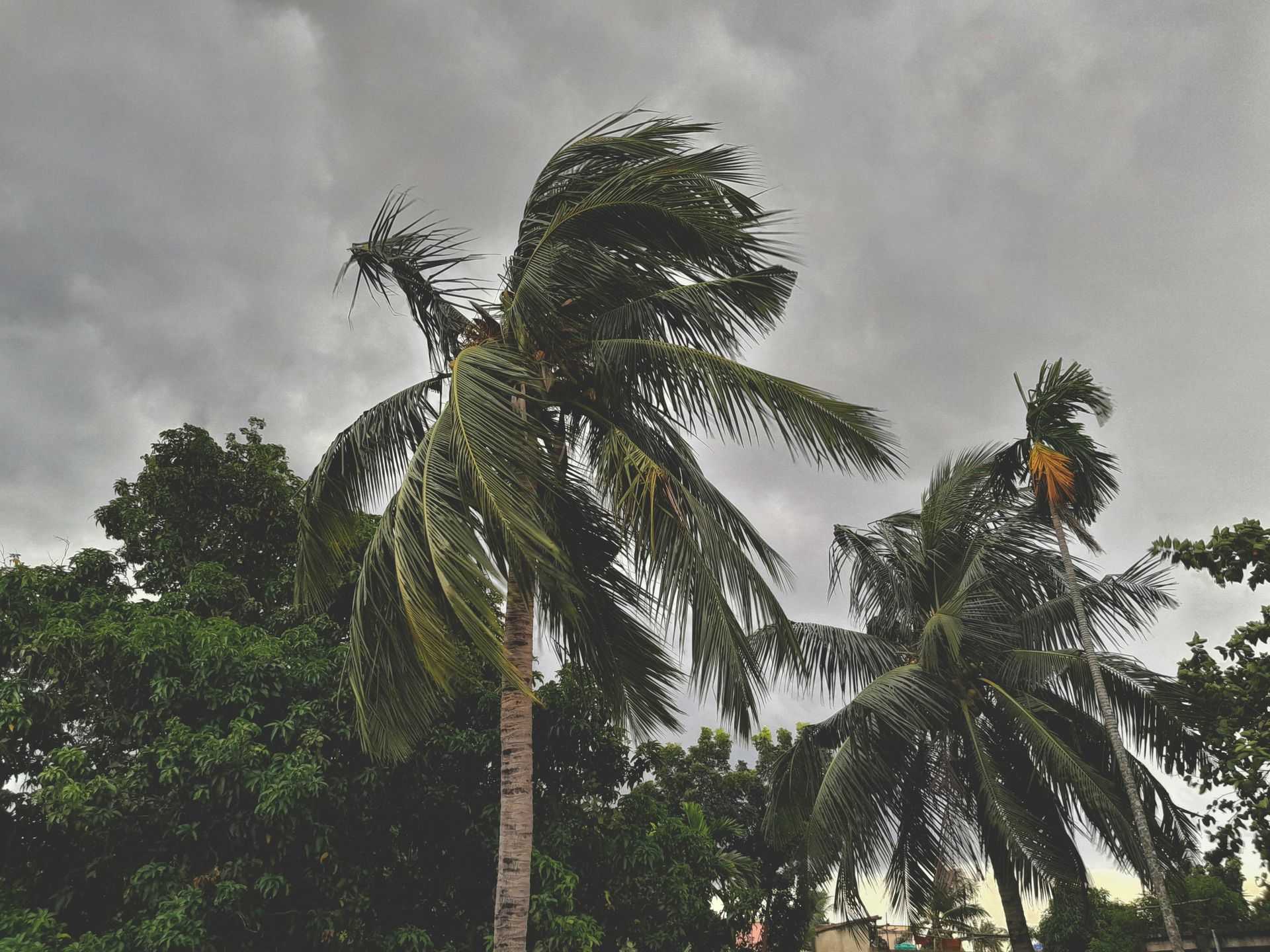
- High winds
- Saturated soil after heavy rain
- Snow or ice accumulation
- Root decay
When a dead tree falls, it often causes extensive damage, particularly in urban and suburban environments where homes and power lines are nearby.
Dead Trees Attract Pests and Wildlife
Dead trees are magnets for pests. Insects such as termites, carpenter ants, beetles, and borers thrive in decaying wood. Over time, these pests may spread to nearby healthy trees—or even your home.
Dead trees can also attract:
- Rodents
- Birds that nest in weakened cavities
- Wasps or hornets
Once pests establish themselves, removal becomes more complicated and costly.
Accelerated Decay Over Time
A dead tree does not remain structurally stable indefinitely. Decay accelerates as moisture, fungi, and insects break down the wood from the inside out.
As decay progresses:
- The tree becomes hollow
- Weight distribution becomes unpredictable
- The trunk may split unexpectedly
- Roots deteriorate rapidly
The longer a dead tree stands, the more dangerous and expensive it becomes to remove.
Increased Liability for Property Owners
One of the most serious consequences of ignoring a dead tree is legal liability. Property owners have a responsibility to address known hazards on their property.
If a dead tree:
- Falls on a neighbor’s home
- Damages a vehicle
- Injures a pedestrian
- Blocks public access
The property owner may be held financially responsible—especially if the tree was visibly dead and no action was taken.
Insurance companies often investigate whether reasonable care was exercised. Ignoring a dead tree can result in denied claims or increased premiums.
Insurance Complications
While insurance may cover damage caused by fallen trees, coverage often depends on whether the tree was healthy or neglected.
Insurance providers may deny coverage if:
- The tree was clearly dead before falling
- The property owner ignored visible warning signs
- Maintenance was neglected
Documenting proactive removal helps protect against disputes and demonstrates responsible property management.
Dead Trees Near Power Lines Are Especially Dangerous
Dead trees located near power lines pose a serious threat to public safety. Even a small branch falling onto live lines can cause outages, fires, or electrocution hazards.
Removing a dead tree before it interferes with utilities helps prevent:
- Power outages
- Emergency utility response
- Fire hazards
- City fines or enforcement action
Tree removal near power lines should always be handled by trained professionals.
Dead Trees Reduce Property Value and Curb Appeal
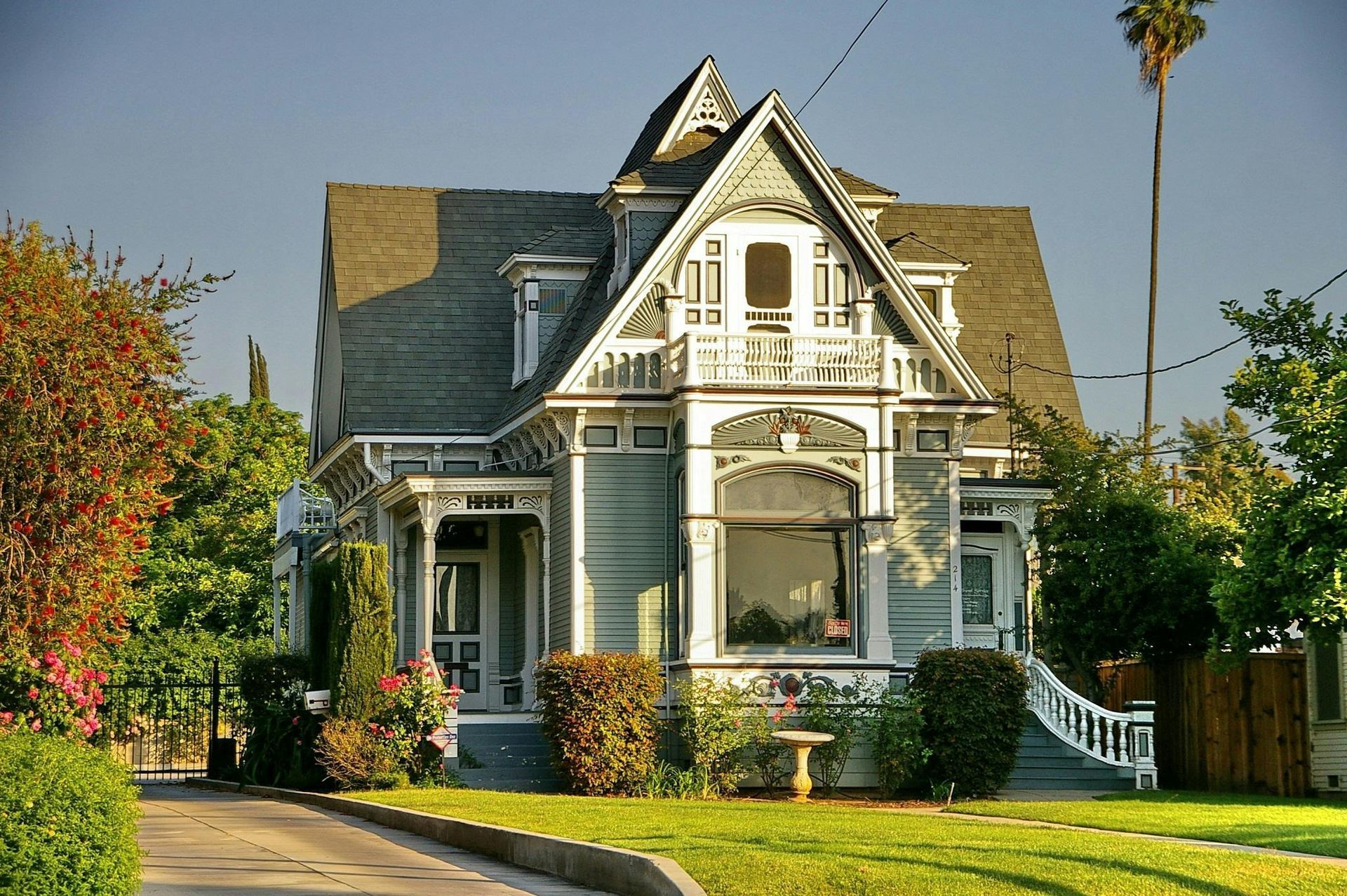
Beyond safety, dead trees negatively impact property appearance and value. A dead or dying tree makes a yard look neglected and can discourage potential buyers or tenants.
Removing dead trees:
- Improves curb appeal
- Creates space for new landscaping
- Enhances overall property presentation
For homeowners planning to sell, dead tree removal is often a necessary step before listing.
Dead Trees Often Become Emergency Situations
Many homeowners delay removal, hoping the tree will remain stable. Unfortunately, dead trees rarely fail on a convenient schedule.
What starts as a non-urgent issue often becomes an emergency after:
- A storm
- Heavy snowfall
- Prolonged rain
- Sudden wind gusts
Emergency removals are more expensive, more dangerous, and more disruptive than scheduled removals.
Warning Signs a Tree Is Dead or Dying
Some signs of a dead tree are obvious, while others are subtle. Common indicators include:
- No leaves during growing season
- Bark peeling or falling off
- Brittle branches that snap easily
- Mushrooms or fungi at the base
- Hollow or soft trunk sections
- Sudden branch loss
If you notice these signs, professional evaluation is recommended.
Why Professional Dead Tree Removal Matters
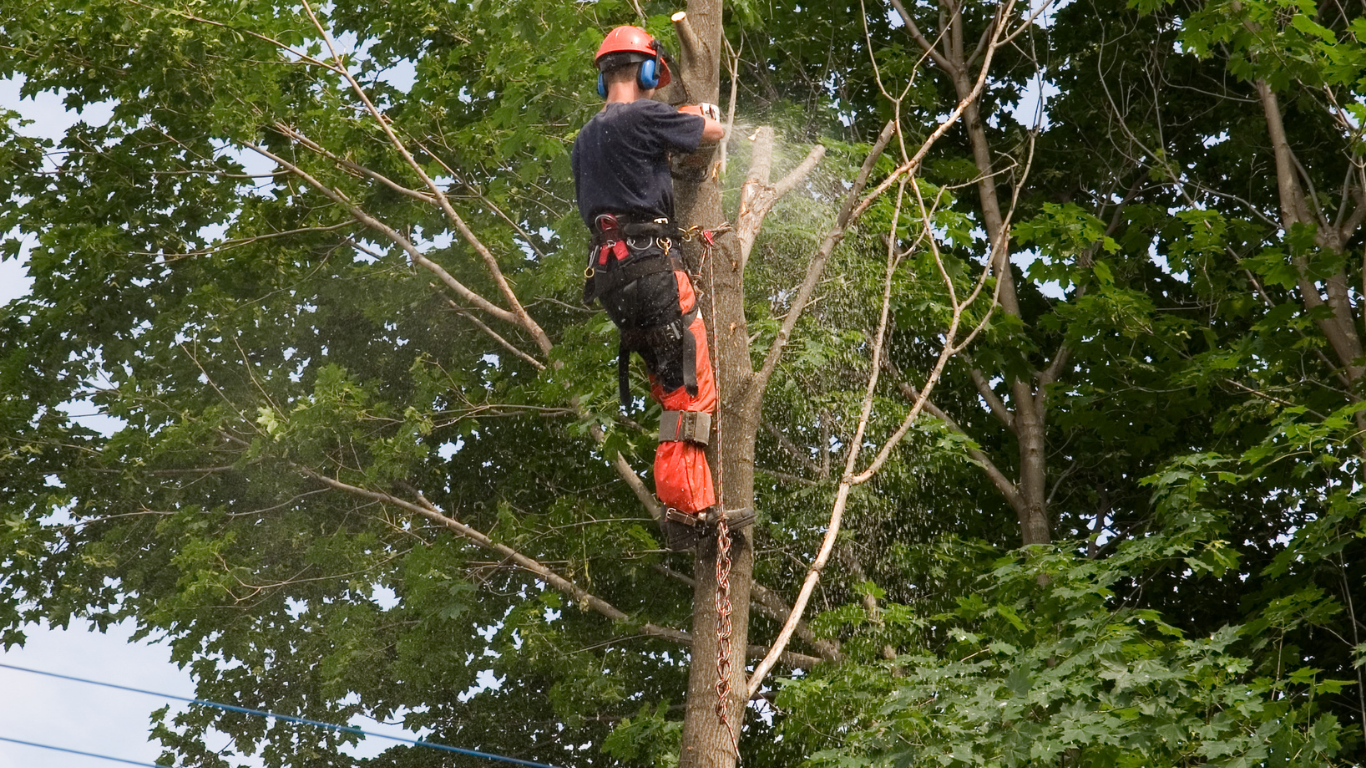
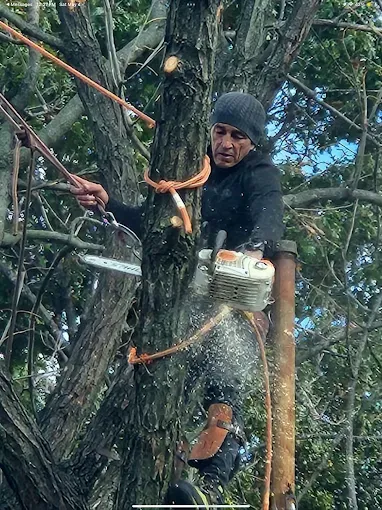
Removing a dead tree is often more dangerous than removing a healthy one. Brittle wood can shatter unpredictably, and weakened roots may fail during cutting.
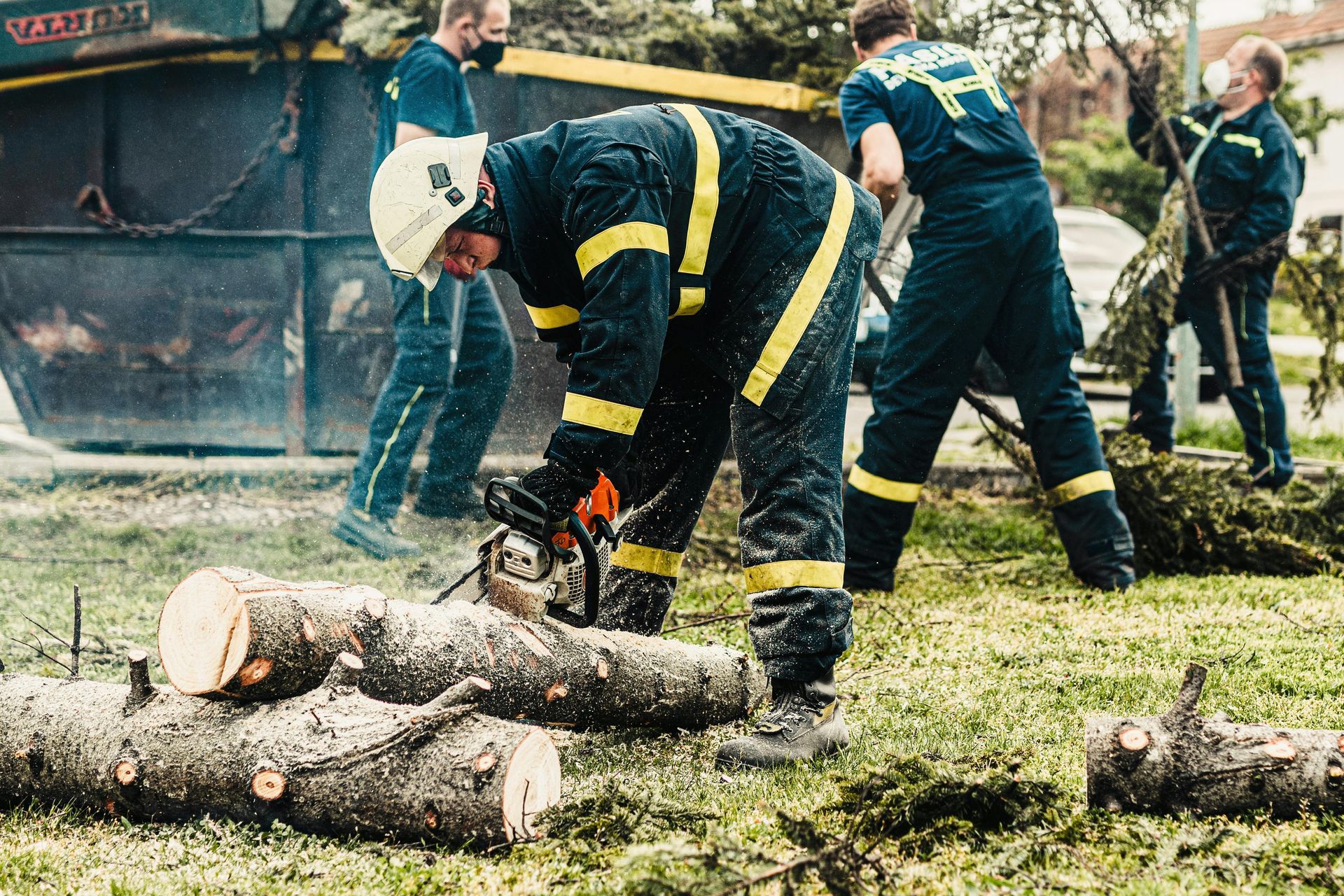
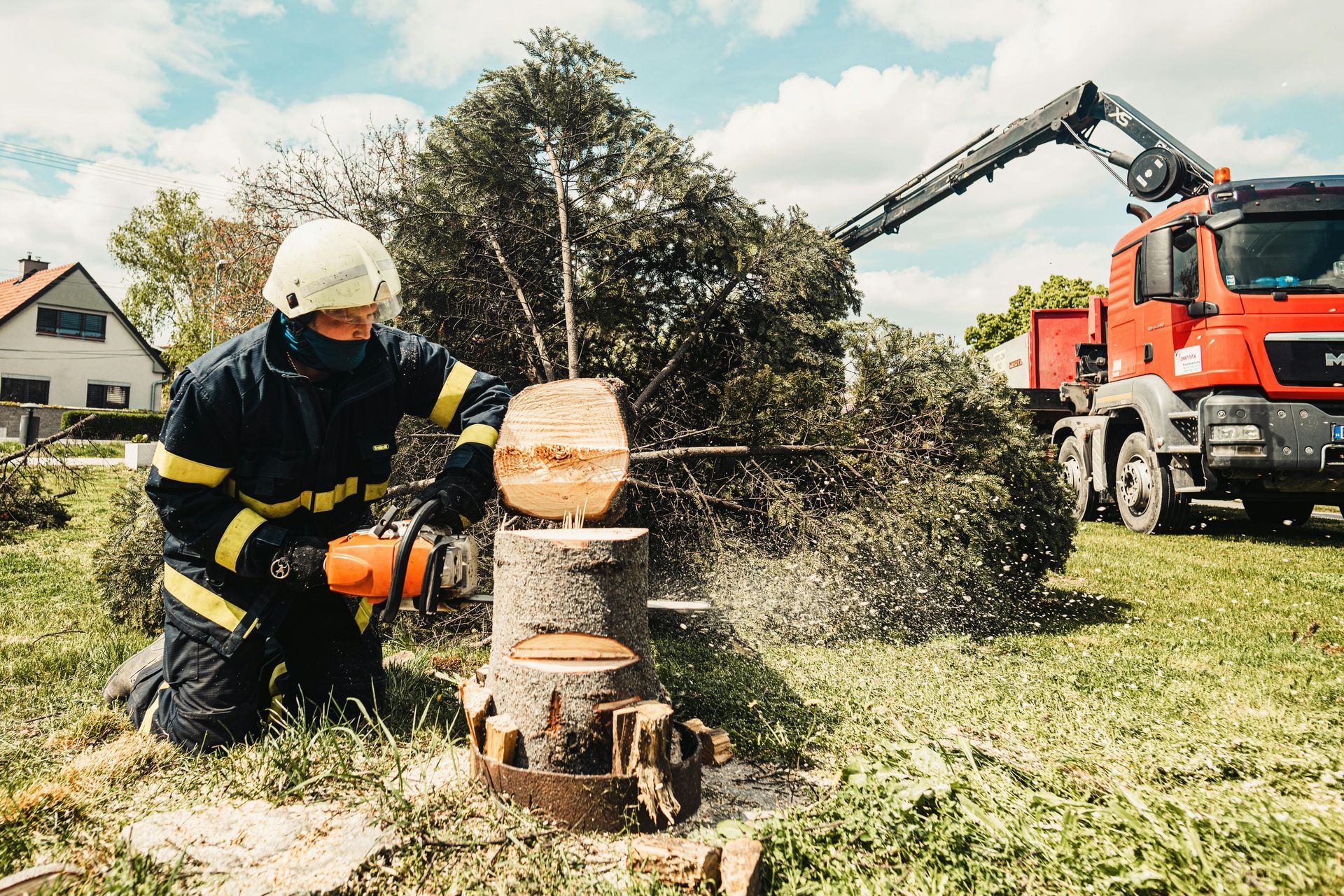
Professional tree services:
- Use controlled sectioning and rigging
- Evaluate stability before cutting
- Use proper equipment and safety gear
- Protect nearby structures and landscapes
Attempting DIY removal of a dead tree significantly increases the risk of injury and damage.
Proactive Removal Saves Money
While removal does involve cost, delaying often leads to higher expenses later. Emergency services, property repairs, and liability claims cost far more than scheduled removal.
Proactive removal:
- Reduces risk
- Allows flexible scheduling
- Minimizes damage
- Protects long-term property value
In most cases, early action is the most economical choice.
Dead Tree Removal Services in NJ and NY
Creative Tree Service provides professional dead tree removal throughout New Jersey and New York, including Hudson County, Bergen County, Passaic County, Manhattan, Staten Island, and Brooklyn.
Our team evaluates tree condition, safety risks, and access challenges to remove dead trees safely and efficiently.
To schedule an assessment or removal, call (201) 208-5811 or visit: https://www.creativetreeservicenj.com/contact