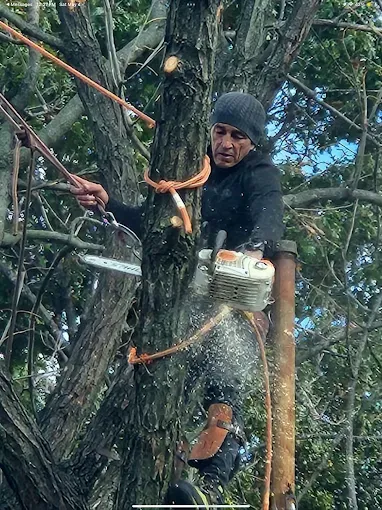

The Complete Checklist for Pre-Storm Tree Inspection in NJ and NY
Use this expert tree inspection checklist to identify risks and prevent costly damage across NJ and NY

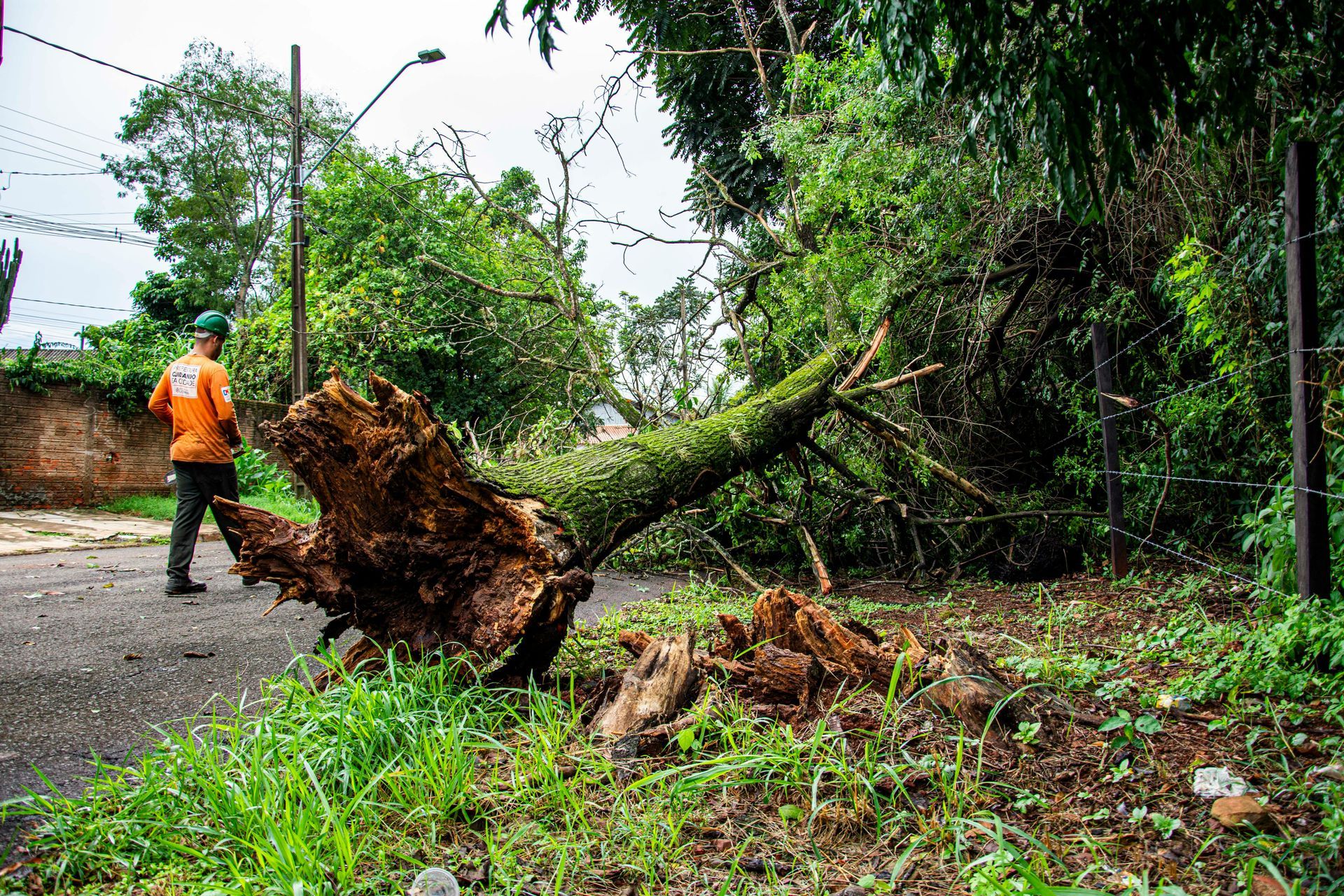
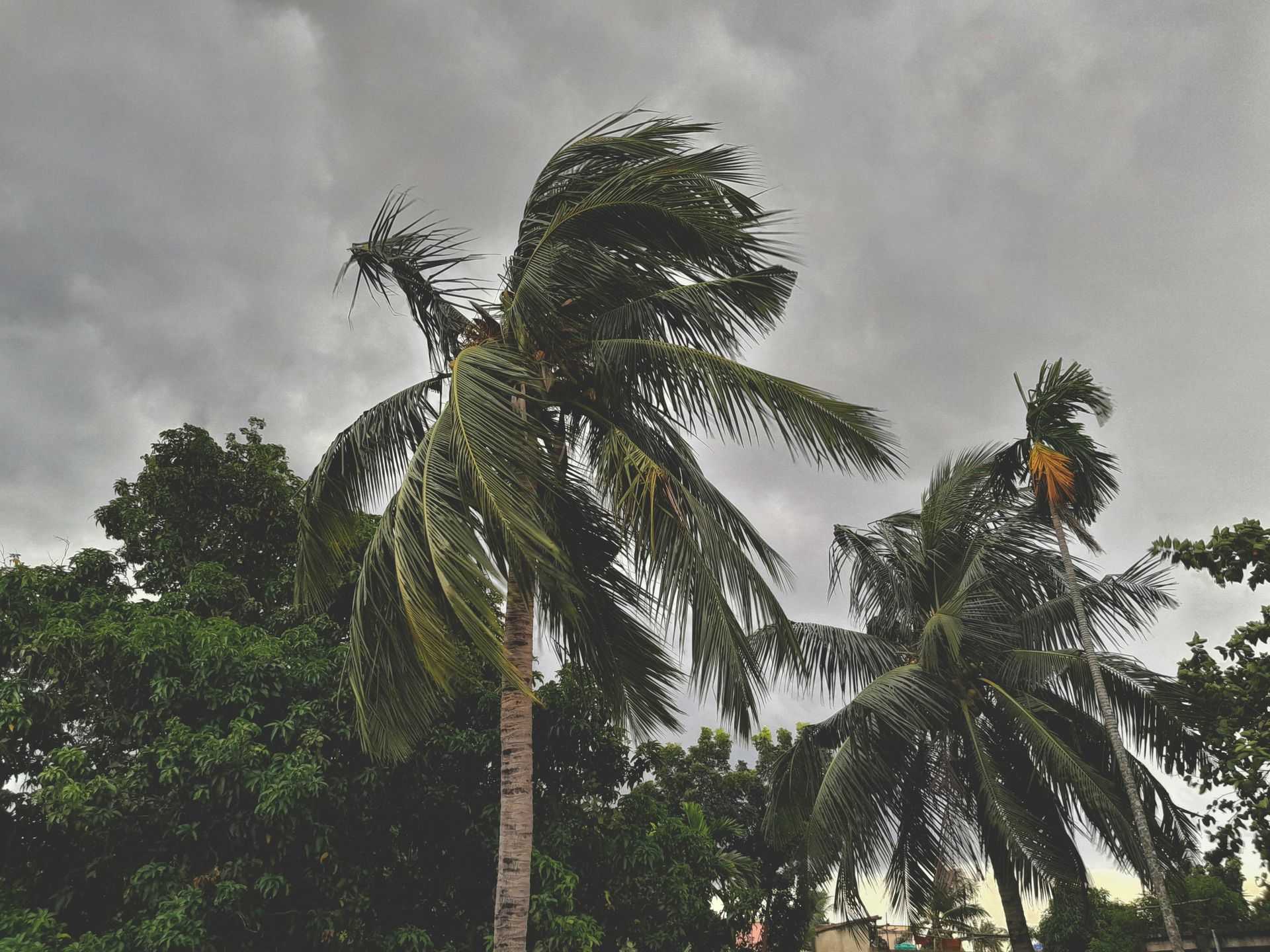
Storms are a regular part of life across New Jersey and New York, especially during hurricane season, spring thunderstorms, and unpredictable Nor’easters. These weather events bring high winds, heavy rain, and saturated soil that can turn even healthy-looking trees into serious hazards. The key to avoiding costly property damage and personal injury? A proactive pre-storm tree inspection.
Whether you’re a homeowner in Jersey City or Staten Island, a property manager in Bergen County or Brooklyn, or just a concerned resident in Passaic or Hudson County, this checklist will help you inspect your trees and identify risks—before the storm hits.
Why Inspect Trees Before a Storm?
Even trees that appear sturdy can have hidden structural issues or disease. Storm-force winds and waterlogged soil put stress on trunks, limbs, and root systems, increasing the chance of breakage or toppling. A proper inspection helps:
- Prevent damage to homes, vehicles, and nearby structures
- Avoid injuries from falling branches or entire tree collapses
- Spot risks early and plan proactive removals or trimming
- Reduce emergency costs after a storm hits
- Support insurance claims by demonstrating preventative action
A pre-storm inspection takes just a short amount of time but can save you thousands in post-storm recovery.
Pre-Storm Tree Inspection Checklist
Use the following steps to evaluate the trees on your property.
1. Check for Dead or Dying Limbs
Deadwood is one of the most common causes of storm damage. Watch for:
- Brittle branches that snap easily
- Branches with missing bark
- Limbs with no leaves (during growing season)
- Fungal growth or insects around the branch base
These limbs should be pruned immediately to prevent them from becoming airborne hazards during a storm.
2. Look for Cracks in the Trunk or Major Branches
Cracks and splits are signs of internal decay or structural weakness. Inspect for:
- Vertical or horizontal splits on the trunk
- Cracks near large branch unions
- Sunken areas in bark (cankers) or past lightning strikes
Trees with these signs are prone to failure under wind stress and should be assessed by a professional arborist.
3. Inspect the Root System
Many trees fall due to root failure, especially after prolonged rain. Look for:
- Heaving or cracking soil near the base
- Mushrooms or fungal growth, which indicate decay
- Exposed roots that appear dry, rotted, or damaged
- Shifting or tilting at the base of the tree
If the root plate is unstable, the entire tree could topple—even without visible canopy damage.
4. Look for Leaning Trees
Not all leaning trees are dangerous, but a sudden or increasing lean can indicate imminent failure. Check for:
- Leaning more than
15 degrees from vertical
- Soil movement or mounding on the opposite side of the lean
- Cracks in nearby pavement or disrupted ground cover
- Trees that lean toward structures, roads, or play areas
If you notice a sudden change in lean after a storm or period of rain, take immediate action.
5. Evaluate Canopy Density
A thick canopy can act like a sail in strong winds, putting strain on the entire tree. Consider:
- Thinning overly dense branches to allow wind to pass through
- Pruning water sprouts or sucker growth that crowds the canopy
- Removing limbs that overhang roofs, power lines, or vehicles
Crown thinning should be handled by a professional to maintain tree health and natural structure.
6. Look for Pest Damage and Disease
Even minor infestations can weaken trees structurally. Warning signs include:
- Premature leaf drop or discoloration
- Frass (sawdust) piles, often from boring insects
- Holes in the trunk or limbs
- Webbing, sap leakage, or black mold
Diseased trees can become brittle and are more likely to fail under pressure.
7. Clear the Area Around Trees
The area around your trees can also contribute to damage during a storm. Before the storm:
- Remove lawn furniture, potted plants, and décor near tree trunks
- Secure fencing panels or lightweight sheds
- Trim back vines or climbing plants that add wind load
- Ensure gutters and drains are clear to avoid soil saturation at the base
Storm prep isn’t just about the trees—it’s also about reducing what might get damaged
by them.
When to Call a Professional
Not all tree issues are visible from the ground or identifiable by an untrained eye. Call a licensed tree service if you notice:
- Large dead branches near your home
- Trees growing near or through power lines
- Major trunk cracks or signs of internal decay
- Unstable roots or leaning trees
- Any sign that a tree has shifted position
At
Creative Tree Service, we offer
certified arborist assessments, structural pruning, and emergency preparation for residential and commercial properties throughout NJ and NY.
FAQs
How often should I inspect my trees?
At a minimum, inspect trees annually. Ideally, do a full check in early spring and again before peak storm season (late summer through fall).
Can pruning really prevent storm damage?
Yes. Strategic pruning reduces wind resistance and weight load, making trees more resilient during storms.
Should I remove a healthy tree just because it leans?
Not always. A slight lean can be natural, but a new or worsening lean requires immediate professional evaluation.
Does insurance cover storm-related tree damage?
Many policies cover removal and damage repair—but only if the tree was well-maintained. A documented inspection can help support your claim.
What if I don’t have time to inspect every tree?
Prioritize trees near structures, roads, and frequently used areas. Call Creative Tree Service for a comprehensive risk assessment.
Get a Pre-Storm Tree Inspection Before the Next Storm Hits
You cannot control the weather—but you can control how prepared you are. A simple tree inspection can prevent life-threatening damage, costly repairs, and power outages. Don’t wait for the next storm alert.
Call Creative Tree Service at (201) 208-5811. We serve property owners across:
- Hudson County
- Bergen County
- Passaic County
- Staten Island
- Brooklyn and beyond