Do You Need a Permit to Remove a Tree in NJ or NYC?
when a tree removal permit is required in New Jersey and New York City

If you are planning to remove a tree from your property, one of the most important questions to answer before any work begins is whether a permit is required. Tree removal laws in New Jersey and New York City can be complex, and requirements vary widely depending on location, tree size, species, and whether the tree is considered protected.
Many homeowners assume that if a tree is on private property, they can remove it freely. In reality, removing a tree without the proper approval can result in fines, stop-work orders, or legal complications—especially in urban areas like NYC or towns with strong environmental ordinances.
This guide explains how tree removal permits work in NJ and NYC, when permits are required, when they may be waived, and how working with a professional tree service helps ensure compliance.
Why Tree Removal Is Regulated
Tree removal is regulated to protect environmental health, neighborhood character, and public safety. Trees provide shade, reduce stormwater runoff, improve air quality, and support local ecosystems. Because of these benefits, many municipalities place restrictions on removing large or mature trees.
In dense urban environments, trees also interact with infrastructure such as sidewalks, streets, and utility lines, which adds another layer of oversight.
Permit requirements exist to ensure that tree removal is justified, performed safely, and balanced with environmental responsibility.
Tree Removal Permits in New Jersey
New Jersey does not have a single statewide tree removal law. Instead, rules are set at the municipal level. This means requirements can differ significantly from one town to the next.
In many NJ municipalities, a permit may be required if:
- The tree exceeds a certain trunk diameter (often measured at breast height)
- The tree is located in a conservation or environmentally sensitive area
- The tree is part of a development or construction project
- The property is subject to HOA or zoning regulations
- The tree is considered historic or protected
Some towns require permits only for trees above a certain size, while others regulate removal regardless of size.
New Jersey’s Updated Tree Protection Rules
Recent changes in New Jersey law have expanded municipal authority over tree protection, particularly during construction or land development. Many towns now require:
- Tree surveys
- Replacement planting
- Preservation plans
- Fees in lieu of replacement
These rules apply most often to developers but can also affect homeowners removing large trees as part of renovations or additions.
When You May Not Need a Permit in NJ
In some situations, a permit may not be required, such as:
- Removing small ornamental trees below the regulated size
- Removing trees that are dead, dying, or imminently hazardous
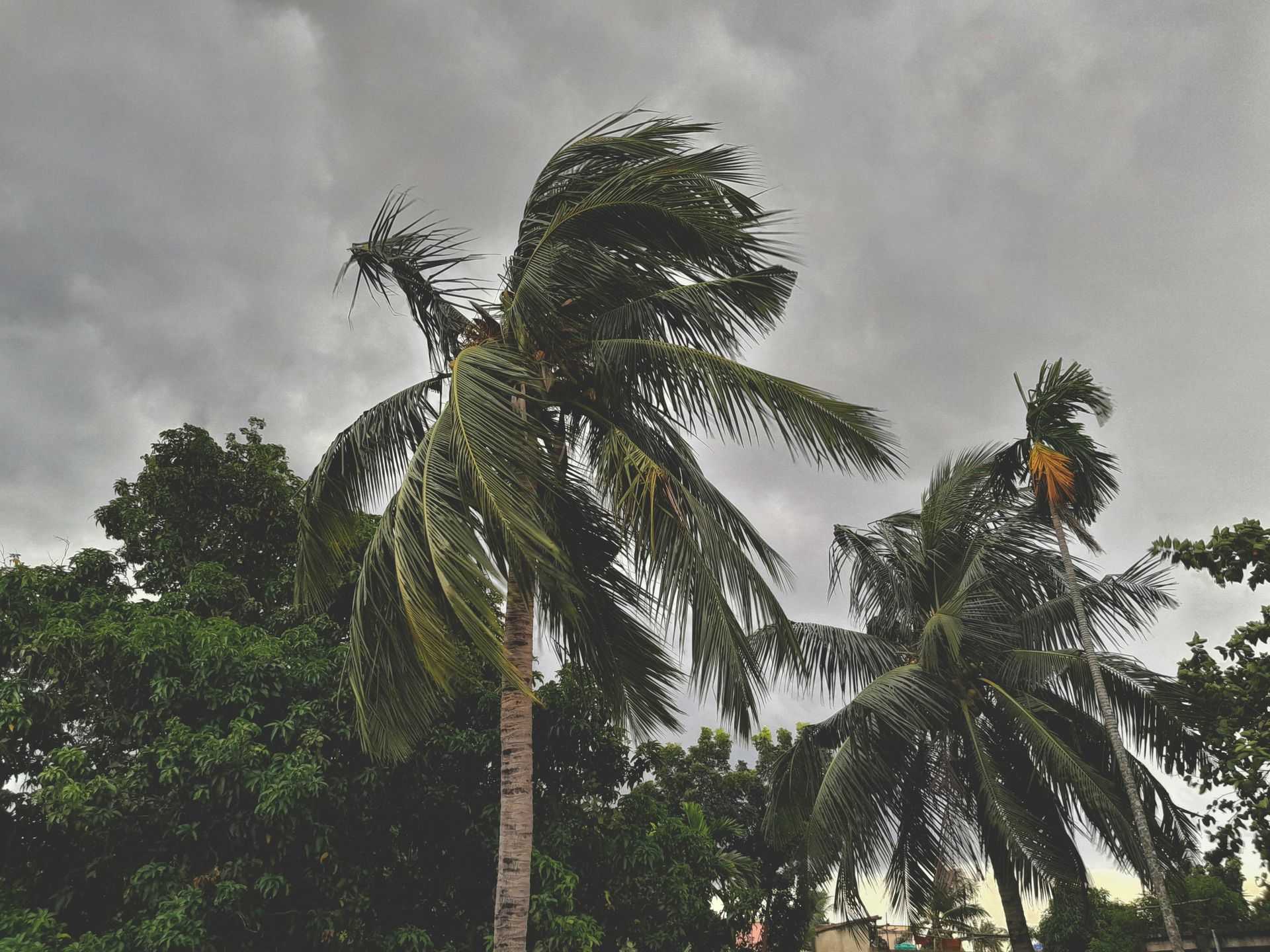
- Emergency removals after storms where immediate danger exists
Even in these cases, documentation may still be required after removal, especially if the tree was large or near public property. It is always best to verify local rules before proceeding.
Tree Removal Permits in New York City
Tree removal regulations in NYC are stricter than in most of New Jersey. The NYC Department of Parks and Recreation oversees trees under its jurisdiction.
In NYC:
- Trees located on public property (sidewalks, streets, parks) cannot be removed by private individuals
- Trees touching or rooted in city property are considered city trees
- Permits are required for removal, pruning, or work on protected trees
Removing a city-owned tree without approval can result in significant fines.
Private Property Tree Removal in NYC
Even trees located entirely on private property may be regulated if:
- They are subject to landmark or zoning protections
- The property is part of a historic district
- The tree impacts adjacent public infrastructure
- Construction permits require tree preservation plans
In many cases, NYC homeowners must submit documentation showing that a tree is dead, structurally unsound, or posing a safety risk before approval is granted.
Emergency Tree Removal in NJ and NYC
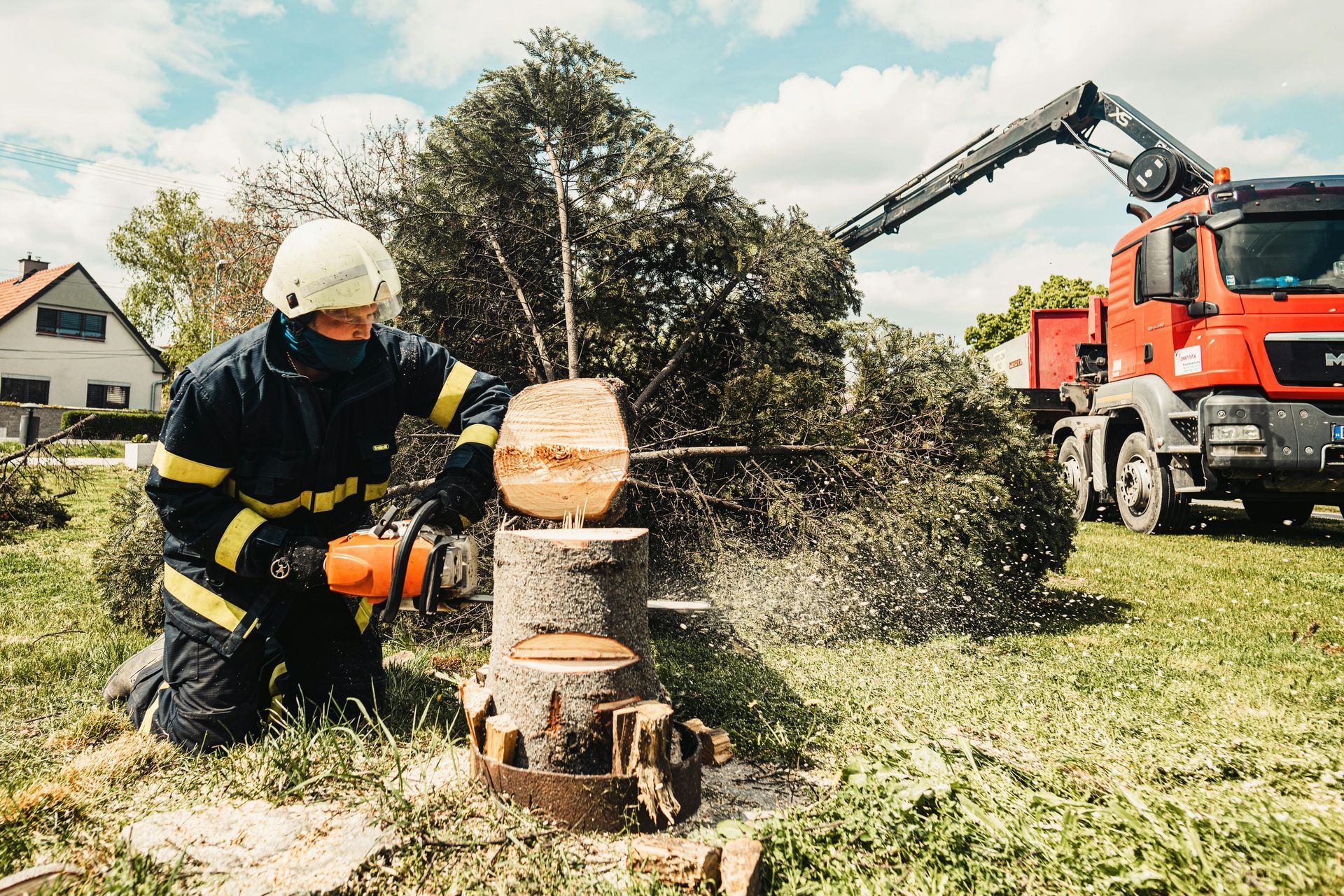
Emergency situations are treated differently under most regulations. If a tree poses an immediate threat to people, structures, or utilities, removal may be allowed without prior permit approval.
Examples include:
- Storm-damaged trees
- Uprooted trees
- Trees that have fallen onto buildings or vehicles
- Trees threatening power lines or public safety
While emergency removal is usually permitted, municipalities often require:
- Photographic documentation
- Arborist reports
- Post-removal notification or inspection
Failing to follow up after emergency work can still lead to penalties.
Fines and Consequences for Removing a Tree Without a Permit
Removing a regulated tree without approval can be costly. Potential consequences include:
- Monetary fines
- Stop-work orders
- Required replacement planting
- Civil penalties
- Legal disputes with municipalities or HOAs
In NYC, fines for unauthorized tree removal can be substantial, particularly for large or protected trees.
How Professionals Help Navigate Permit Requirements
Navigating tree removal permits can be confusing and time-consuming. Professional tree services are familiar with local regulations and handle permitting as part of the service process.
A professional service typically:
- Determines whether a permit is required
- Prepares documentation or arborist reports
- Coordinates with municipal offices
- Ensures emergency removals are properly documented
- Prevents delays and compliance issues
This not only saves time but also protects homeowners from legal and financial risk.
Why Permits Affect Tree Removal Cost and Timeline
Permit requirements can affect:
- Project timeline
- Overall cost
- Scheduling flexibility
Waiting for permit approval can take days or weeks depending on location. Emergency situations may bypass this delay, but planned removals should always factor permit timelines into scheduling.
Working with an experienced provider helps ensure the process moves as efficiently as possible.
Common Misconceptions About Tree Removal Permits
Many homeowners believe:
- Permits only apply to commercial properties
- Dead trees never require approval
- Small yards are exempt
- Emergency removal never requires documentation
In reality, rules vary widely, and assumptions can lead to violations. Verifying requirements before cutting is always the safest approach.
Best Practices Before Removing a Tree
Before scheduling removal:
- Confirm property boundaries
- Identify whether the tree is public or private
- Check municipal ordinances
- Consult a licensed tree service
- Document the tree’s condition
These steps help prevent issues and ensure compliance.
Tree Removal Services That Handle Permits in NJ and NYC
Creative Tree Service provides professional tree removal services across New Jersey and New York, including Hudson County, Bergen County, Passaic County, Manhattan, Staten Island, and Brooklyn.
Our team evaluates permit requirements, coordinates with local authorities when needed, and ensures all work is completed legally and safely.
For an assessment or to schedule tree removal, call
(201) 208-5811 or visit:
https://www.creative-treeservice.com/contact