
When Is the Best Time of Year to Trim Trees in NJ and NY?
the best time of year to trim trees in New Jersey and New York

Tree trimming is one of the most important aspects of long-term tree care, yet many homeowners are unsure when it should be done. Trimming at the wrong time can stress trees, slow growth, or invite disease, while trimming at the right time strengthens structure, improves appearance, and reduces storm risk.
In New Jersey and New York, seasonal weather patterns play a major role in determining the best time to prune trees. Cold winters, humid summers, and frequent storms mean that timing matters just as much as technique. Understanding when and why to trim your trees can help protect your property, improve curb appeal, and extend the life of your trees.
This guide explains the best time of year to trim trees in NJ and NY, how trimming needs change by season, and when professional services are recommended.
Why Tree Trimming Timing Matters
Tree trimming is not only about appearance. Proper timing supports tree health and safety by:
- Encouraging strong, balanced growth
- Reducing the risk of falling limbs
- Preventing disease and pest infestations
- Improving sunlight and airflow
- Protecting homes, vehicles, and power lines
Trees respond differently to pruning depending on the season. Trimming during dormancy promotes healing, while trimming during active growth can redirect energy and stress the tree if done incorrectly.
Late Winter to Early Spring: The Ideal Time for Most Trees
For most tree species in NJ and NY, late winter to early spring is considered the best time to trim. This period typically falls between late February and early April, before new growth begins.
During this time:
- Trees are dormant
- Sap flow is minimal
- Branch structure is clearly visible
- Healing occurs quickly once growth resumes
Winter pruning reduces stress on the tree and minimizes the spread of disease. Insects and pathogens are less active, making infections less likely.
This season is ideal for:
- Structural pruning
- Removing dead or damaged limbs
- Shaping young trees
- Reducing canopy density
Many professional arborists recommend scheduling routine pruning during this window whenever possible.
Spring Trimming: Use Caution
Once trees begin actively growing in mid to late spring, trimming should be more selective. While light pruning can still be performed, aggressive trimming during this time may remove energy-producing foliage.
Spring trimming is often used to:
- Remove storm-damaged branches
- Address safety hazards
- Correct broken or crossing limbs
However, excessive pruning during active growth can weaken trees or slow development. Flowering trees may also lose blooms if trimmed at the wrong time.
Summer Trimming: Safety and Control
Summer is not the ideal season for heavy pruning, but it does serve important purposes. By mid to late summer, trees have completed most of their annual growth, making it easier to evaluate structure and health.
Summer trimming is commonly used to:
- Remove hazardous or overgrown branches
- Clear limbs from roofs, walkways, and driveways
- Improve airflow and reduce wind resistance
- Manage fast-growing species
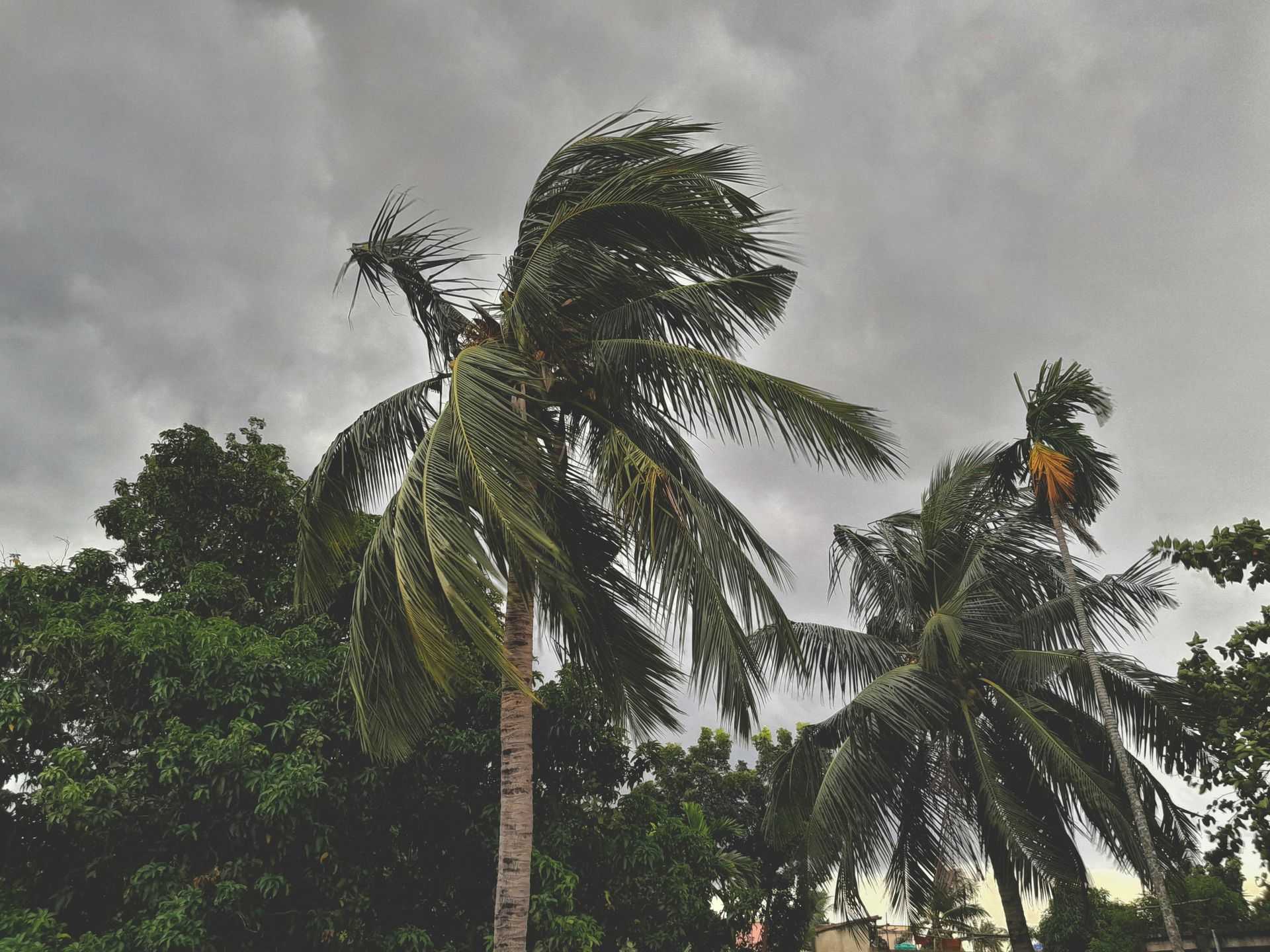
Because summer storms are common in NJ and NY, trimming before peak storm season can reduce the risk of limb failure.
However, pruning should still be done carefully, as excessive trimming in hot weather can stress trees.
Fall Trimming: Generally Not Recommended
Fall is typically the least favorable time for routine tree trimming. During this season, trees are preparing for dormancy, and pruning cuts heal more slowly.
Potential issues with fall pruning include:
- Increased vulnerability to disease
- Slower wound closure
- Attraction of insects and fungi
- Reduced cold resistance
That said, fall trimming may still be necessary for safety reasons, especially after storms or when branches pose an immediate hazard.
Winter Trimming: Dormant and Efficient
Winter trimming, especially during mid to late winter, is often ideal for non-flowering trees. Without leaves, arborists can clearly see branch structure and identify weaknesses.
Benefits of winter trimming include:
- Minimal impact on tree growth
- Reduced pest activity
- Faster cleanup with fewer leaves
- Improved safety before winter storms
In urban areas like Jersey City, Hoboken, Manhattan, and Brooklyn, winter trimming also helps prevent snow and ice accumulation on weak limbs.
Best Trimming Times for Different Tree Types
Not all trees follow the same pruning schedule.
- Deciduous trees: Best trimmed in late winter or early spring
- Evergreen trees: Light trimming can be done in late winter or early summer
- Flowering trees: Timing depends on whether they bloom in spring or summer
- Fruit trees: Typically pruned in late winter to encourage healthy production
A professional arborist can determine the best schedule based on species and condition.
Storm Damage and Emergency Trimming
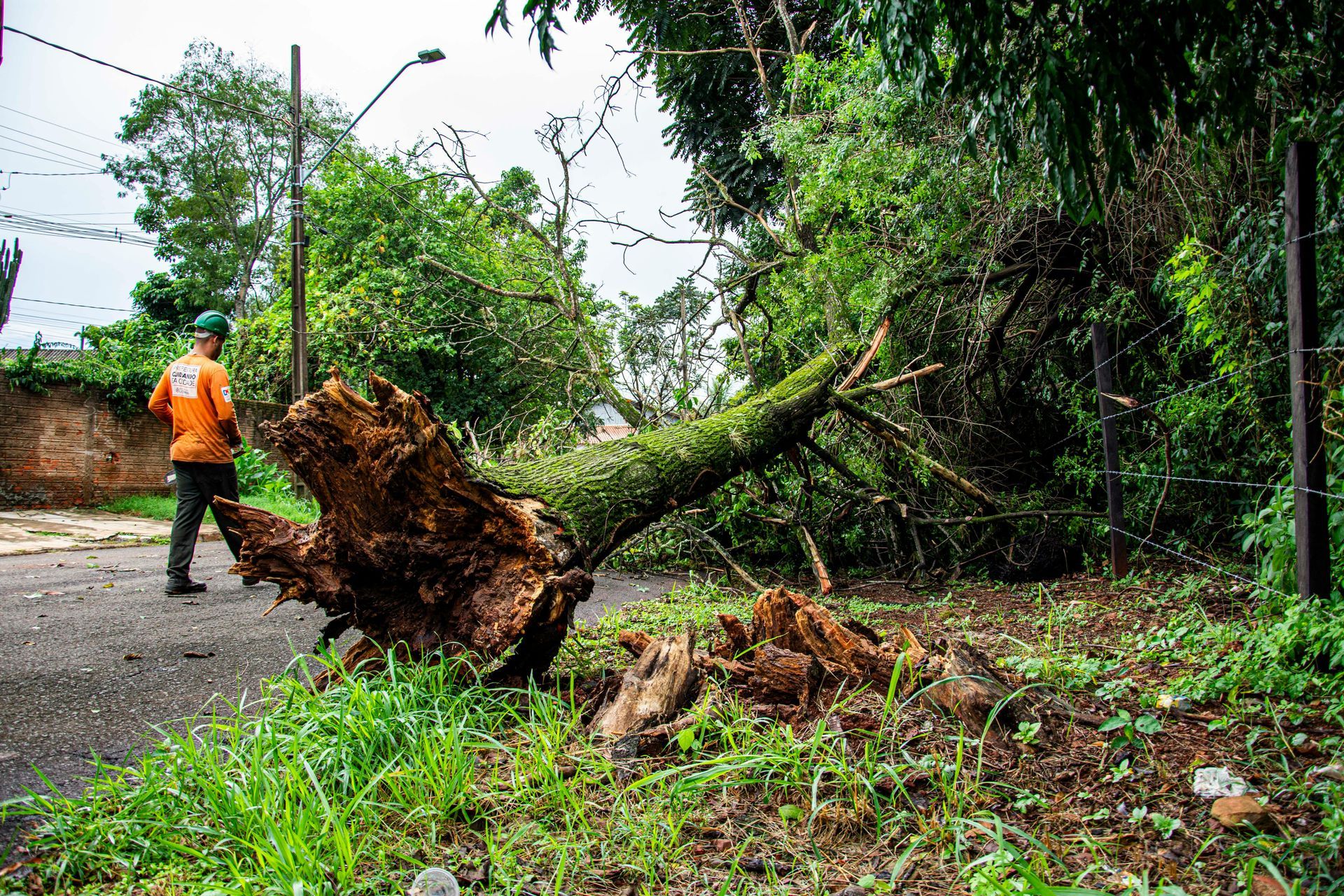
Storm-damaged trees do not follow a seasonal schedule. If a tree has broken limbs, cracks, or hanging branches, trimming should be done immediately regardless of the time of year.
Emergency trimming helps:
- Prevent further damage
- Reduce liability
- Restore safe access to property
Delaying hazard removal increases the risk of injury and property loss.
How Often Should Trees Be Trimmed?
Tree trimming frequency depends on age, species, and location.
- Young trees: Every 2 to 3 years for structure development
- Mature trees: Every 3 to 5 years for maintenance
- Fast-growing species: May require more frequent trimming
- Trees near structures or power lines: Often require regular monitoring
Routine maintenance prevents the need for aggressive pruning later.
Why Professional Tree Trimming Matters
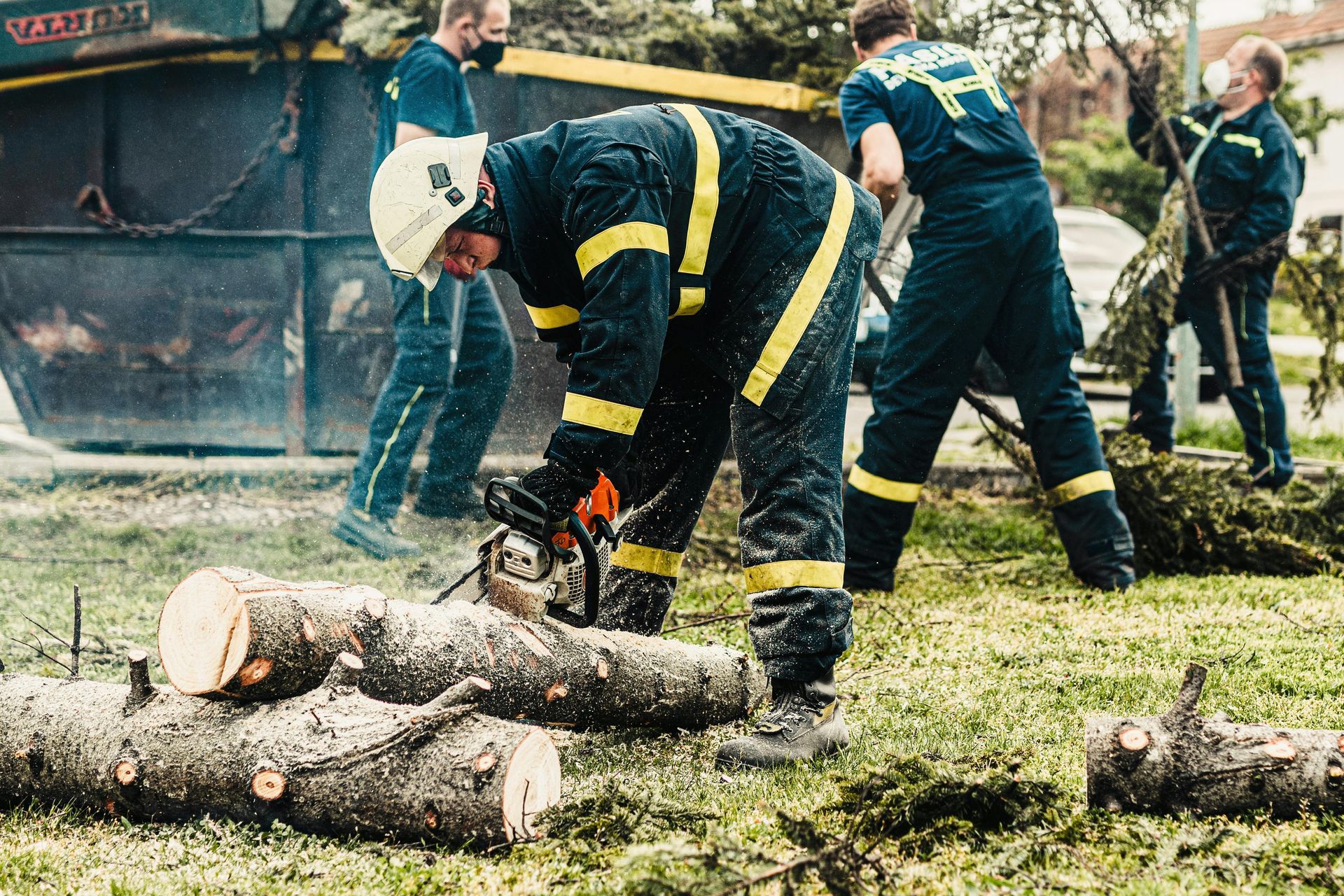
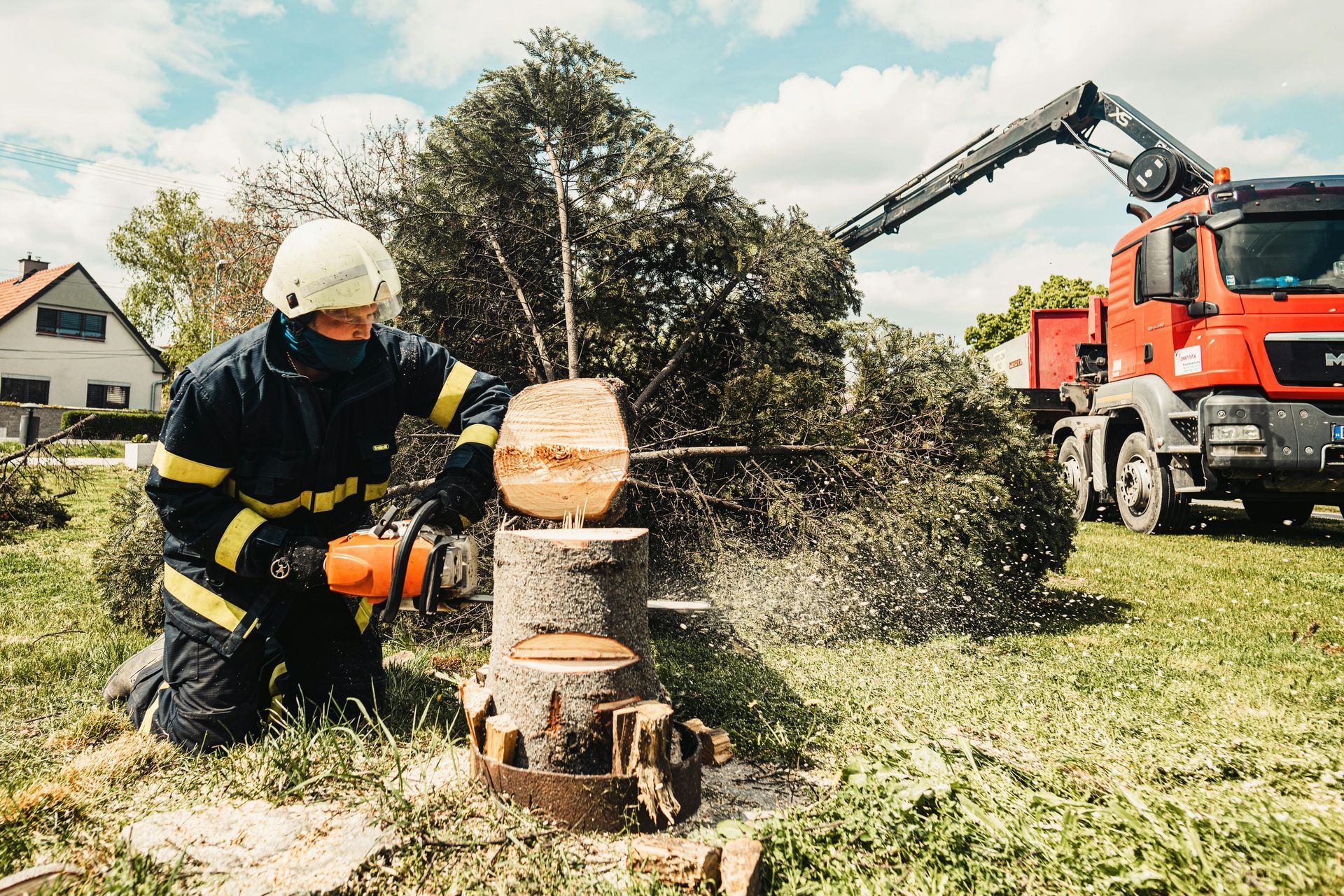
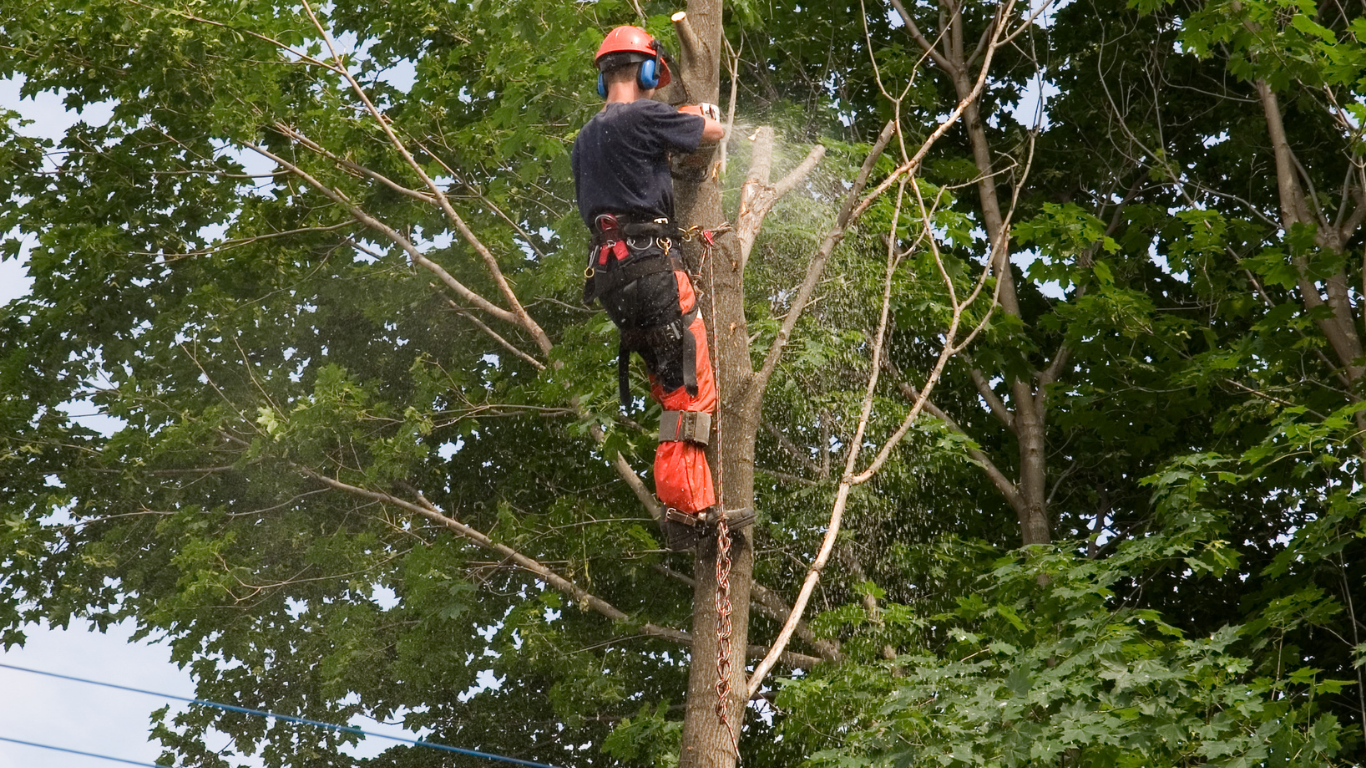
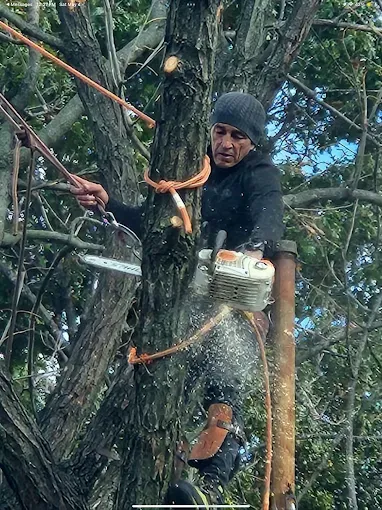
Improper trimming can permanently damage a tree. Over-pruning, topping, or incorrect cuts weaken structure and increase the risk of failure.
Professional arborists:
- Follow proper pruning standards
- Understand seasonal timing
- Identify disease and structural issues
- Use equipment safely
- Protect surrounding property
This expertise ensures trimming improves health rather than causing harm.
Trimming for Property Value and Safety
Well-maintained trees enhance curb appeal and property value. Trimming improves visibility, sunlight exposure, and overall landscape balance.
More importantly, trimming reduces the risk of:
- Falling limbs
- Roof and vehicle damage
- Power outages
- Insurance claims
Many insurance providers expect homeowners to maintain trees responsibly.
Planning Tree Trimming in NJ and NY
Because tree trimming is seasonal, scheduling early ensures availability. Late winter and early spring are peak times for professional services, so planning ahead is recommended.
Property owners should also consider:
- Weather patterns
- Storm seasons
- Permit requirements in some municipalities
Professional guidance helps coordinate timing effectively.
Tree Trimming Services Across NJ and NY
Creative Tree Service provides professional tree trimming throughout New Jersey and New York, including Hudson County, Bergen County, Passaic County, Manhattan, Staten Island, and Brooklyn.
Our team evaluates tree health, safety risks, and seasonal timing to provide effective trimming solutions tailored to each property.
To schedule tree trimming or request an assessment, call
(201) 208-5811 or visit:
https://www.creativetreeservicenj.com/contact