
Emergency Tree Removal vs. Scheduled Tree Removal: What’s the Difference?

January 23, 2026

Emergency Tree Removal vs. Scheduled Tree Removal: What’s the Difference?

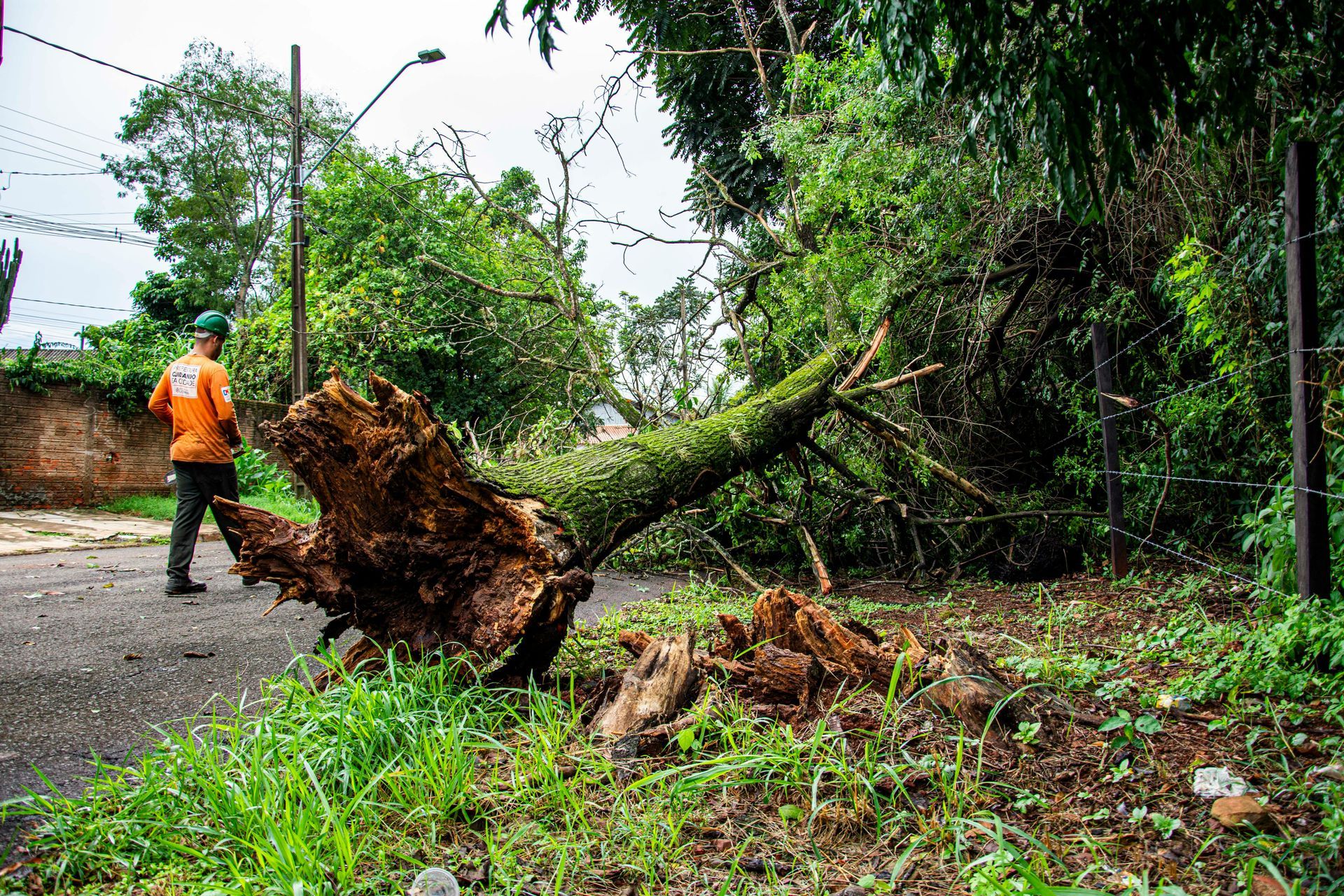
Fallen tree blocks a road. Person in orange vest assesses damage near a lush green area. Overcast sky.

When a tree becomes a problem on your property, knowing how quickly it needs to be addressed can make all the difference. Some trees require immediate action to prevent injury or damage, while others can be removed safely with proper planning. Understanding the difference between emergency tree removal and scheduled tree removal helps homeowners make smarter decisions, manage costs, and reduce risk.

Across New Jersey and New York, including cities like Hoboken, Jersey City, Manhattan, Staten Island, and Brooklyn, property owners face unique challenges due to tight spaces, aging trees, and unpredictable weather. This guide explains how emergency and scheduled tree removal differ, when each is appropriate, and why timing matters.

What Is Emergency Tree Removal?

Emergency tree removal refers to situations where a tree poses an immediate threat to people, property, or public safety. These removals are performed as soon as possible, often outside of normal business hours, because delaying action could result in serious damage or injury.

Common emergency tree removal situations include:

  • A tree or large limb has fallen onto a house, vehicle, or structure
  • A tree is leaning dangerously after a storm
  • Broken or hanging limbs are at risk of falling
  • Trees uprooted due to saturated soil
  • Trees entangled with power lines
  • Storm-damaged trees blocking driveways, roads, or sidewalks

In these cases, safety is the top priority. Crews are dispatched quickly, often during nights, weekends, or severe weather conditions, to stabilize or remove the hazard.

What Is Scheduled Tree Removal?

Scheduled tree removal is planned in advance and performed under controlled conditions. This type of removal is recommended for trees that are dead, declining, poorly positioned, or no longer suitable for the property but do not pose an immediate danger.

Examples of trees typically removed on a scheduled basis include:

  • Dead trees not yet at risk of falling
  • Trees growing too close to structures
  • Trees interfering with future construction or landscaping plans
  • Trees with disease or pest issues identified early
  • Overgrown trees affecting sunlight or drainage

Scheduled removals allow homeowners and tree professionals to plan the safest, most efficient approach without the pressure of an emergency situation.

Key Differences Between Emergency and Scheduled Tree Removal

While both services involve professional tree removal, the circumstances, cost, and logistics are very different.

Emergency tree removal is reactive. It happens after a storm, accident, or sudden failure. Scheduled tree removal is proactive, addressing potential issues before they become dangerous.

Emergency services often involve unpredictable conditions such as unstable trees, poor weather, darkness, or blocked access. Scheduled removals are performed in daylight, under stable conditions, and with full preparation.

Because of these factors, emergency removals typically cost more and carry higher risk than scheduled removals.

Cost Differences Between Emergency and Scheduled Tree Removal

Cost is one of the biggest differences homeowners notice.

Emergency tree removal often costs significantly more due to:

  • After-hours labor
  • Rapid deployment of crews and equipment
  • Increased safety hazards
  • Potential need for cranes or utility coordination
  • Limited ability to plan access and setup

Scheduled tree removal is generally more affordable because:

  • Work is performed during regular hours
  • Equipment and crew size can be optimized
  • Access can be prepared in advance
  • Permits and logistics are handled ahead of time

In many cases, removing a tree before it becomes an emergency can save homeowners thousands of dollars.

Safety Risks and Why Timing Matters

Trees are unpredictable, especially when damaged. Emergency tree removal is inherently more dangerous because crews are often dealing with:

  • Trees under tension
  • Broken limbs suspended overhead
  • Shifting root systems
  • Storm debris and unstable ground

Scheduled tree removal allows arborists to work methodically, reducing risk to workers, homeowners, and nearby structures.

From a safety standpoint, proactive removal is always preferable when a tree shows signs of decline or instability.

How Weather Plays a Role

In NJ and NY, storms are a major cause of emergency tree removal. High winds, heavy rain, snow, and ice can turn a weakened tree into a sudden hazard.

Scheduled removals are often recommended before:

  • Hurricane season
  • Winter snow and ice accumulation
  • Periods of heavy rainfall

Preparing ahead of time reduces the likelihood of emergency calls during extreme weather events.

Insurance Considerations

Insurance coverage often differs depending on whether removal is emergency-related.

Emergency tree removal may be covered by insurance if:

  • The tree caused damage to a covered structure
  • The tree blocked access or posed an immediate safety risk

Scheduled tree removal is usually considered maintenance and is typically not covered by insurance.

However, documentation from a professional tree service showing that a tree was hazardous can sometimes support insurance claims after damage occurs.

Permits and Municipal Requirements

In many NJ and NY municipalities, tree removal requires permits, particularly for large or protected trees.

Emergency situations may allow removal without prior approval, but post-removal documentation is often required. Scheduled removals provide time to secure permits and comply with local regulations, avoiding fines or delays.

A professional tree service handles these requirements as part of the process.

Which Option Is Right for You?

You likely need emergency tree removal if:

  • A tree has already fallen or partially collapsed
  • A tree is leaning toward a structure after a storm
  • Broken limbs are hanging overhead
  • Power lines are involved

Scheduled tree removal is appropriate if:

  • A tree is dead or declining but stable
  • A tree is growing too close to your home
  • You want to remove trees before a renovation
  • An arborist identifies future risk

When in doubt, a professional assessment can determine the urgency.

Why Professional Evaluation Is Essential

Homeowners often underestimate tree risks. A tree that looks stable may have internal decay or root damage that only a trained arborist can identify.

Professional tree services evaluate:

  • Structural integrity
  • Root stability
  • Canopy balance
  • Proximity to hazards
  • Likelihood of failure

This assessment helps determine whether emergency or scheduled removal is the safest approach.

Benefits of Proactive Tree Removal

Choosing scheduled removal when possible offers several advantages:

  • Lower overall cost
  • Reduced safety risk
  • Flexible scheduling
  • Better cleanup results
  • Less disruption to your property

Proactive care protects both your home and your budget.

Tree Removal Services Across NJ and NY

Creative Tree Service provides both emergency and scheduled tree removal throughout New Jersey and New York, including Hudson County, Bergen County, Passaic County, Manhattan, Staten Island, and Brooklyn.

Our team evaluates each situation carefully to recommend the safest and most cost-effective solution.

Palm trees bending in strong wind under a cloudy sky.
February 9, 2026
Learn how to identify a dangerous tree after a storm. Discover warning signs, safety risks, and when to call a professional tree service in NJ and NY.
Firefighter using a chainsaw to cut a tree trunk. A fire truck with a crane is in the background.
January 8, 2026
Learn how much tree removal costs in New Jersey and New York. Explore pricing factors, emergency rates, insurance coverage, and how to get an accurate estimate.
Arborist in orange safety gear, cutting tree branches with a chainsaw.
December 19, 2025
Learn how Creative Tree Service ensures safe tree removal across NJ and NY using certified crews, modern equipment, and proven procedures you can trust....

Victorian-style light blue house with detailed trim and a dark gray roof, surrounded by trees and a lawn.
December 2, 2025
Enhance your NJ home's curb appeal with these expert tree and landscape construction ideas from Creative Tree Service. Get inspired to upgrade your yard.
Palm trees sway in strong wind under a cloudy, gray sky.
November 17, 2025
Protect your property before the next storm with this expert tree inspection checklist. Identify risks early to prevent costly damage across NJ and NY areas.
Arborist in a tree using a chainsaw, secured by ropes. Wood chips fly, gray sky and branches in background.
November 3, 2025
Storm coming to Hoboken? Learn why having a 24/7 emergency tree service matters. Protect your property, stay safe, and restore peace of mind after severe weather.
Person pushing a stroller through a forest in autumn.
October 20, 2025
Want healthier trees and a cleaner environment? Discover eco-friendly tree care tips for homeowners in Passaic County from the experts at Creative Tree Service.
Retaining Wall vs Pavers – Best Landscape Option for NJ Yards
By Bean Mcnamara October 3, 2025
Not sure whether to install a retaining wall or pavers in your NJ yard? Compare costs, function, and curb appeal to make the right choice for your landscape.
Emergency Tree Removal in Manhattan – 5 Urgent Signs to Watch
September 18, 2025
Worried about a dangerous tree in Manhattan? Learn five signs it is time to call for emergency tree removal and how to get 24/7 help fast.
Safe Land Clearing in Staten Island – Expert Guide for Homeowners
September 4, 2025
Planning a construction or landscaping project in Staten Island? Learn how to clear land safely and legally with this expert guide from Creative Tree Service.
Show More