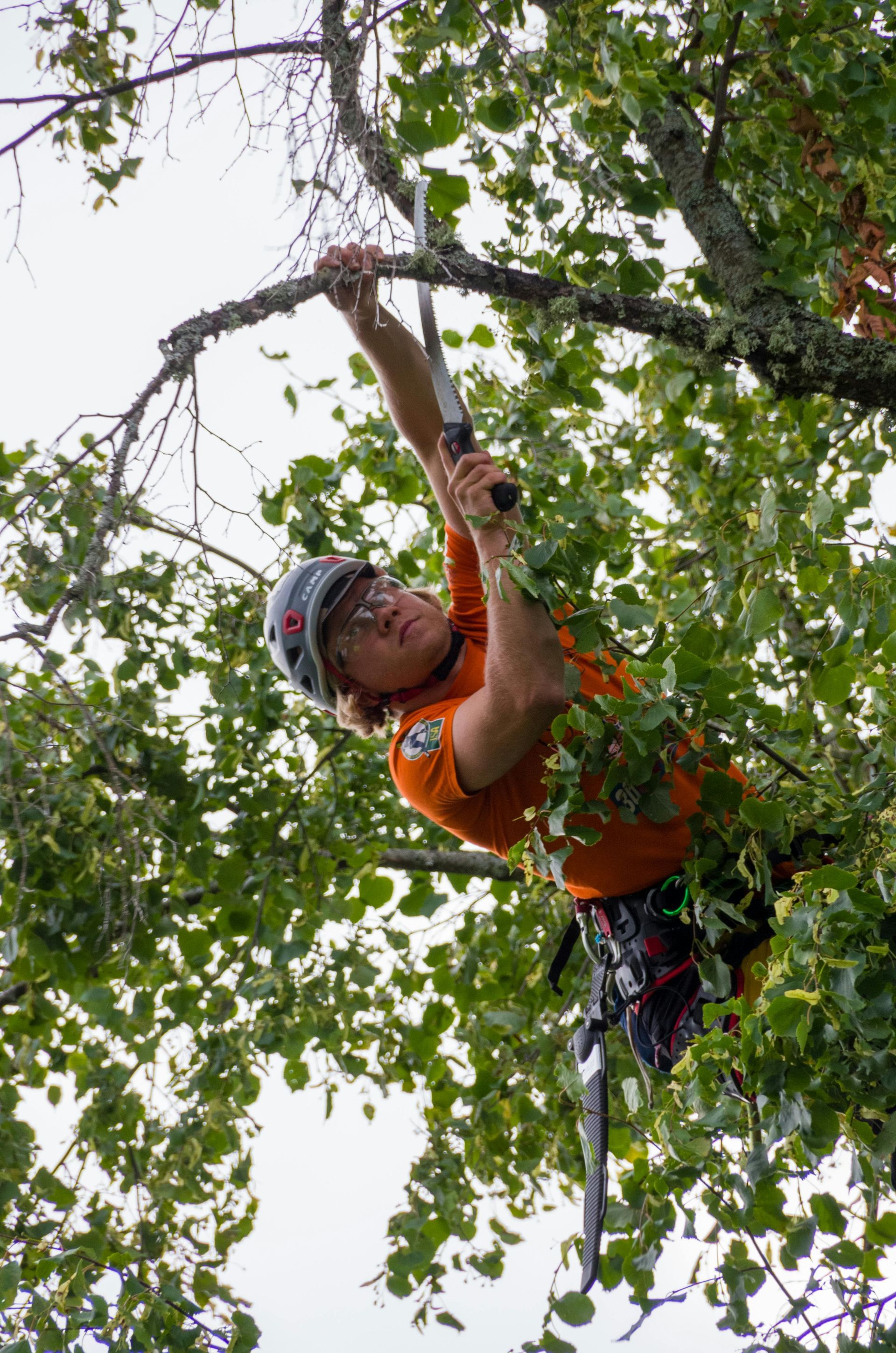
How Much Does Tree Removal Cost in New Jersey and New York?

If you have a damaged, dead, or hazardous tree on your property, one of the first questions you are likely to ask is how much removal will cost. Tree removal pricing in New Jersey and New York can vary significantly based on location, tree size, access, and safety considerations. Understanding what goes into the cost helps homeowners and property managers plan responsibly and avoid surprises.
Tree removal is not a one-size-fits-all service. Each project presents unique challenges, especially in dense urban areas like Jersey City, Hoboken, Manhattan, and Brooklyn, where limited space and nearby structures increase complexity. Even in suburban areas such as Bergen or Passaic County, factors like yard access and tree condition play an important role.
This guide explains the typical costs of tree removal in NJ and NY, the factors that influence pricing, and how to ensure you receive a fair and accurate estimate.
Average Tree Removal Costs in NJ and NY
Tree removal costs generally fall within the following ranges:
Small tree removal typically costs between $300 and $700.
Medium-sized tree removal often ranges from $700 to $1,500.
Large tree removal can cost anywhere from $1,500 to $3,500 or more.
Emergency tree removal services may range from $1,000 to $5,000 or higher depending on urgency and damage severity.
These are estimated ranges, and actual pricing depends on safety requirements, equipment needs, and site conditions.
What Determines the Cost of Tree Removal?
Tree removal pricing is based on the level of risk, labor involved, time required, and equipment used. Below are the most important cost factors.
Tree Size and Height
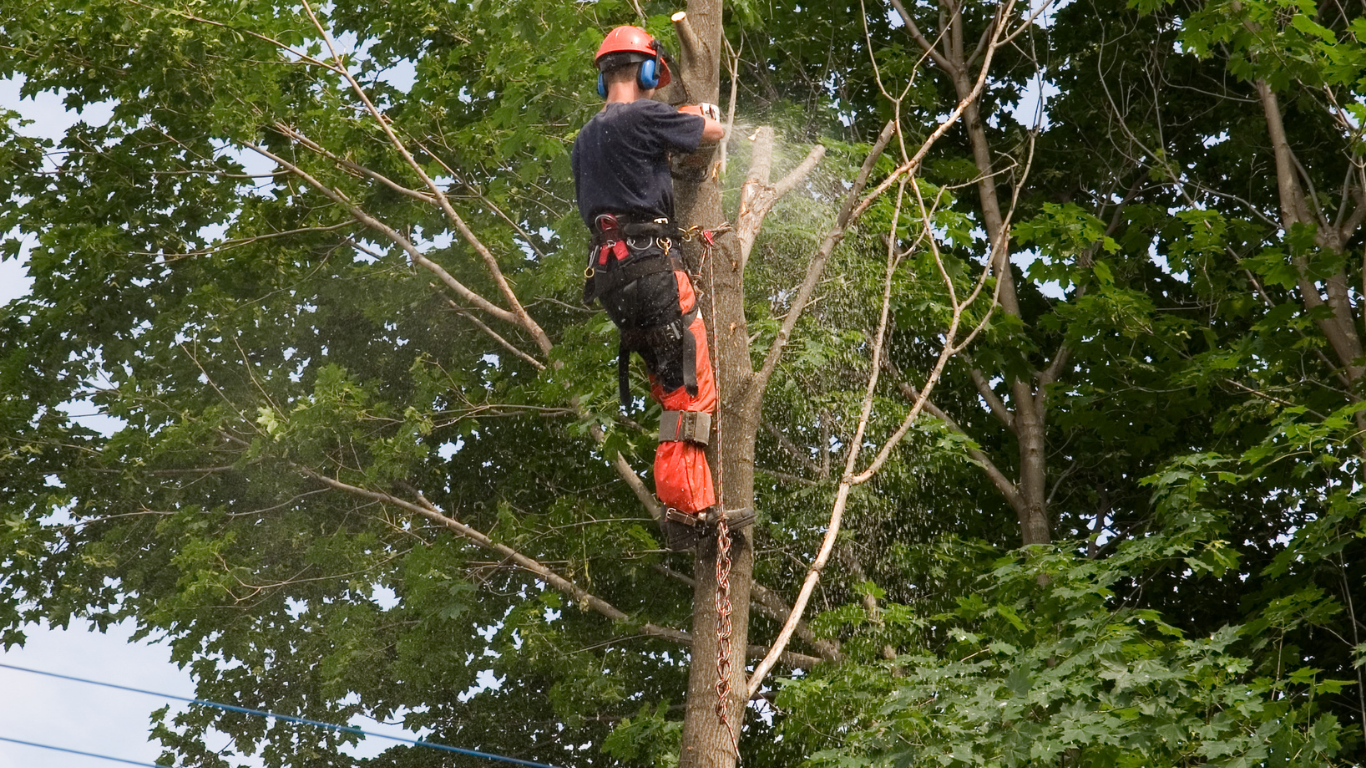
Larger trees require more manpower and specialized equipment. A small ornamental tree can often be removed quickly, while tall oaks, maples, or pines may need to be dismantled piece by piece.
Height, trunk diameter, and canopy spread all affect how long the job takes and how much equipment is required. Taller trees near homes or buildings generally increase overall cost.
Location and Accessibility
Accessibility is one of the biggest pricing factors. Trees located in open yards are easier to remove than those surrounded by structures or fences.
Urban properties often require:
- Sectional dismantling instead of full felling
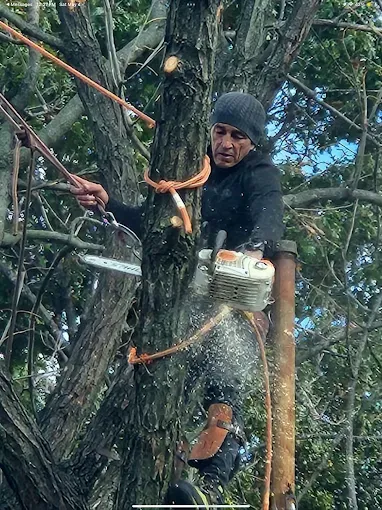
- Ropes and rigging to control falling limbs
- Bucket trucks or cranes for limited access
- Sidewalk or traffic protection
More difficult access increases labor time and safety precautions, which raises costs.
Proximity to Buildings and Utilities
Trees growing close to homes, garages, vehicles, or power lines present higher risk. Removing trees near electrical lines requires coordination and careful planning to prevent outages or injury.
The added risk and precision involved directly affect pricing, but these measures are essential for safety.
Tree Condition and Health
Dead or decaying trees are often more dangerous to remove than healthy ones. Internal rot can cause unpredictable movement during cutting.
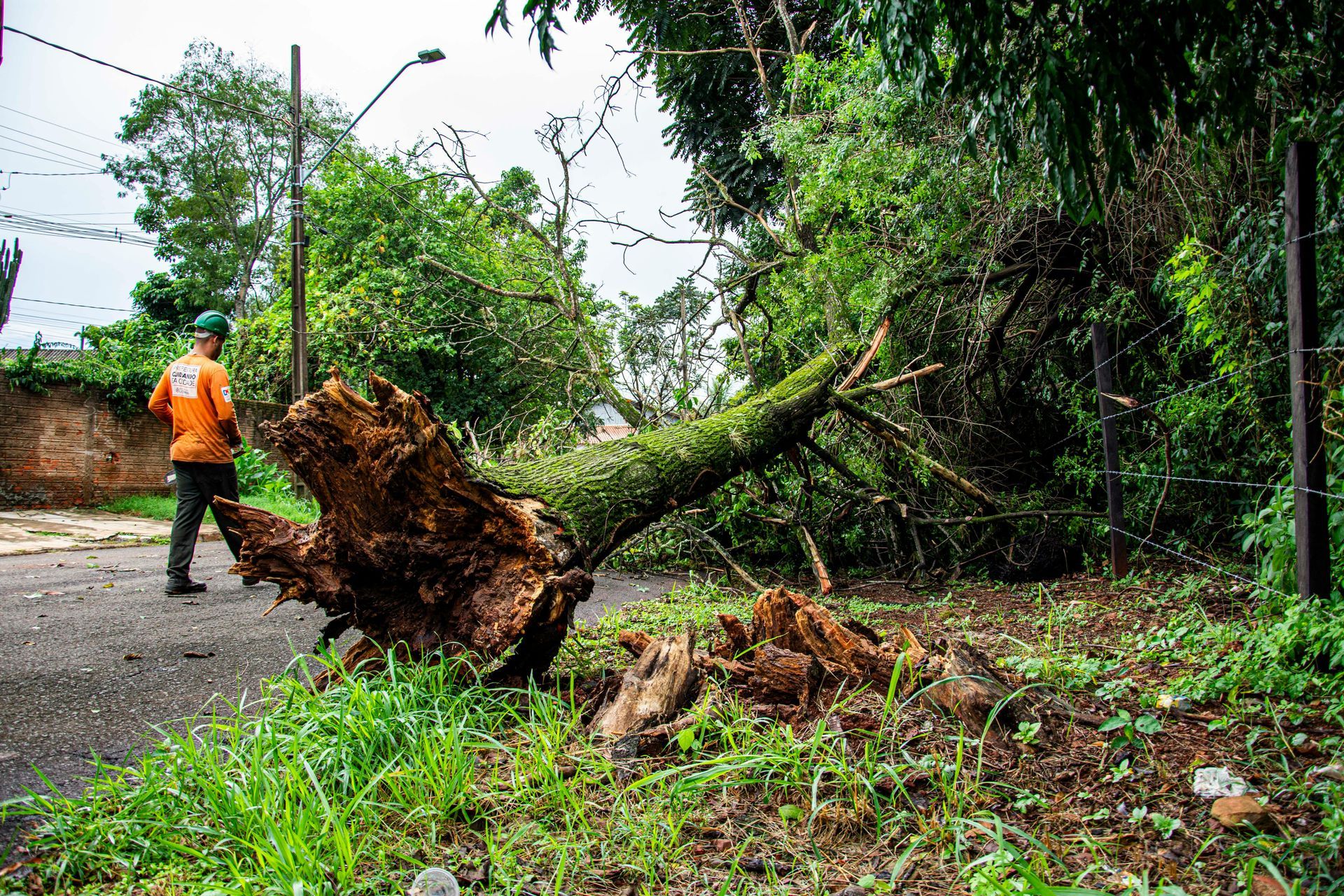
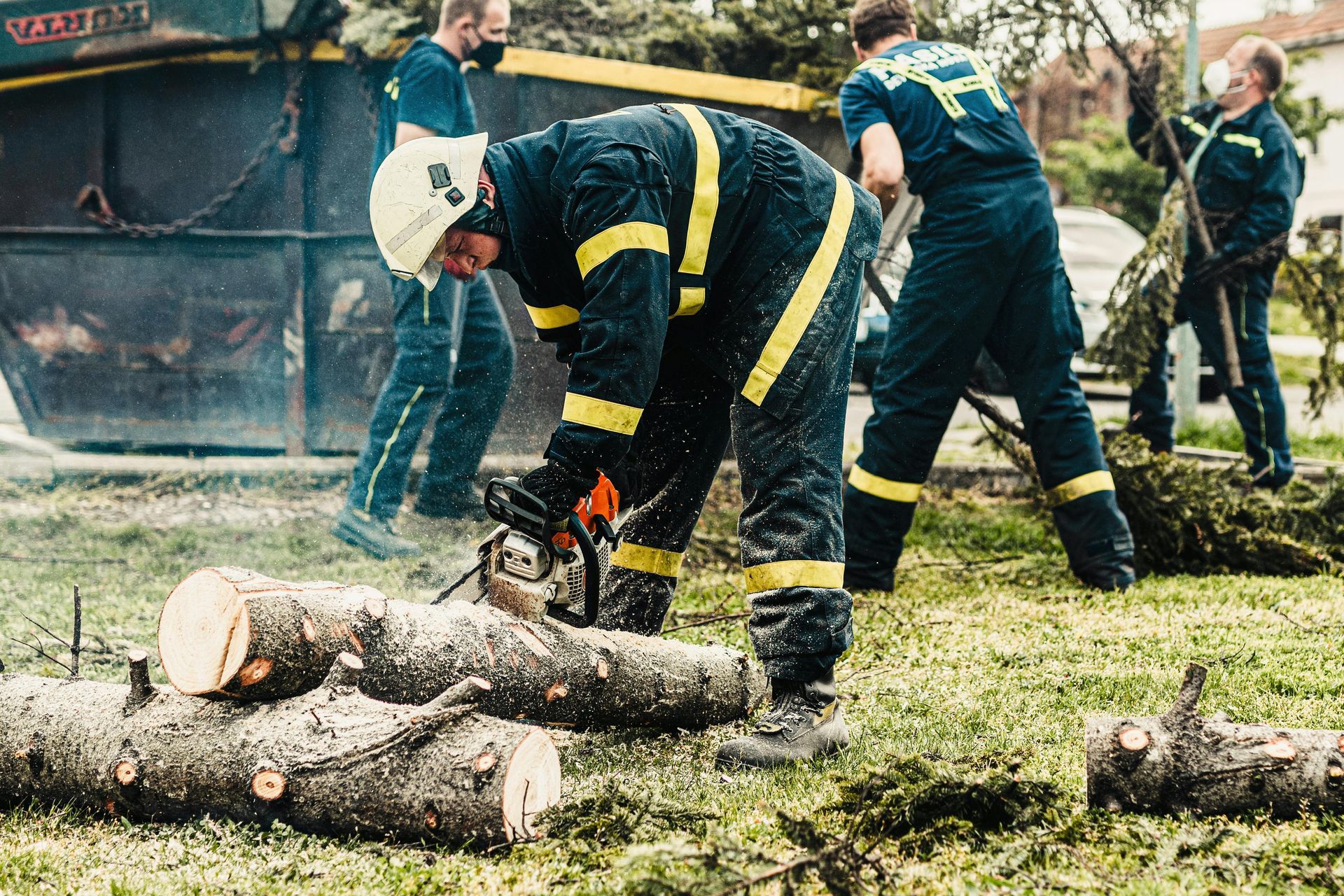
Storm-damaged trees, cracked trunks, or partially fallen trees usually require emergency response and additional safety measures, increasing overall cost.
Emergency vs Scheduled Tree Removal
Emergency tree removal is typically more expensive than scheduled removal. Emergency situations often involve:
- After-hours or weekend labor
- Rapid deployment of crews and equipment
- Increased safety risk
Scheduling removal before a tree becomes a hazard is often the most cost-effective option.
Crane-Assisted Tree Removal
In areas with limited space or extremely large trees, crane-assisted removal may be required. Cranes allow large sections of the tree to be lifted out safely without damaging nearby structures.
While crane use increases cost, it is often the safest solution in cities like Manhattan, Hoboken, and Brooklyn.
Permits and Local Regulations
Some towns and cities in NJ and NY require permits for tree removal, especially for protected or mature trees.
Permit-related costs may include:
- Application fees
- Inspection delays
- Administrative handling
Professional tree services typically manage this process to ensure compliance.
Stump Grinding and Cleanup Costs
Tree removal may not always include stump grinding. Leaving a stump can lower initial cost but may create long-term issues such as pest attraction or tripping hazards.
Stump grinding typically ranges from $150 to $400 depending on stump size. Full debris removal and hauling may also affect final pricing.
Why Choosing the Cheapest Tree Service Can Be Risky
Tree removal is a high-risk service that should never be handled by unlicensed or uninsured providers. Low-cost providers may lack proper training, equipment, or insurance coverage.
Potential risks include:
- Property damage
- Personal injury
- Utility damage
- Denied insurance claims
- Legal liability
Hiring a licensed and insured professional protects both your property and your finances.
Can Insurance Cover Tree Removal?
Insurance may cover tree removal if the tree causes damage to a covered structure such as a home or garage. Coverage often depends on:
- Whether the tree was healthy or neglected
- Whether damage occurred
- Whether removal was emergency-related
Preventive tree removal is typically not covered, but professional documentation can support claims when damage occurs.
How to Get an Accurate Tree Removal Estimate
Accurate pricing requires an on-site evaluation. A professional tree service will assess:
- Tree size and condition
- Access and safety risks
- Equipment requirements
- Permit needs
Be cautious of companies that provide quotes without inspecting the tree.
Ways to Manage Tree Removal Costs
While safety should never be compromised, cost can sometimes be managed by:
- Scheduling removal before emergencies arise
- Bundling multiple tree services
- Removing trees proactively rather than reactively
Preventive care is almost always more affordable than emergency response.
Professional Tree Removal Is an Investment in Safety
Tree removal is not simply a landscaping service. It requires planning, expertise, and precise execution. Professional crews bring the training, equipment, and experience needed to complete the job safely and efficiently.
Tree Removal Services Across NJ and NY
Creative Tree Service provides professional tree removal throughout New Jersey and New York, including Hudson County, Bergen County, Passaic County, Manhattan, Staten Island, and Brooklyn.
To request an estimate or schedule service, please call (201) 208-5811.